Why TTB Rejects Alcohol Labels (and How to Pass COLA the First Time)
TTB processes roughly 180,000 label applications a year, and a huge share of that workload is the same labels coming back for corrections. Most rejections aren't about your branding — they're about mechanical rules you can check before you submit.

Catherine Zhou
| Co-founder at Truli
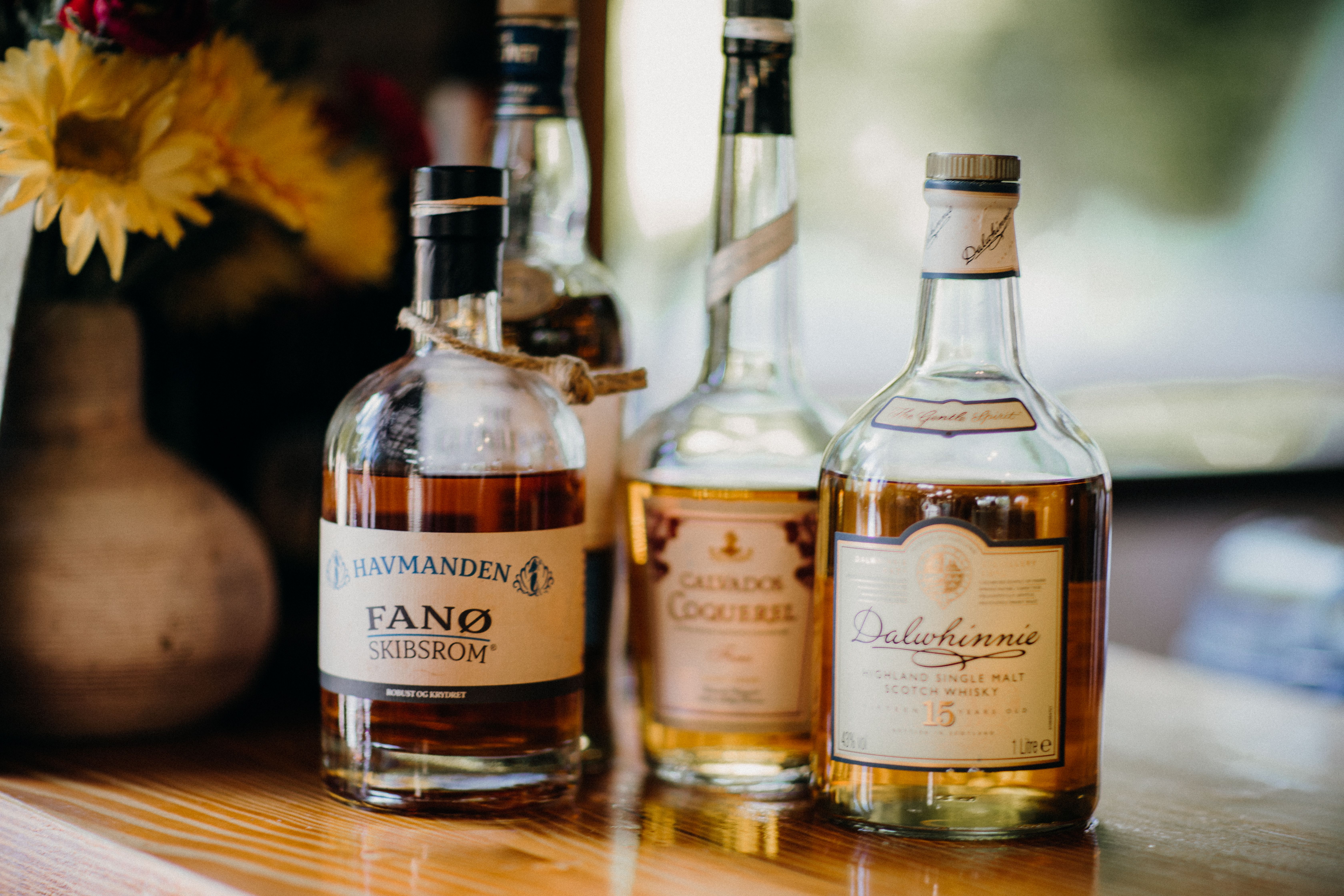
Every alcohol beverage sold across state lines in the United States needs a Certificate of Label Approval — a COLA — from the Alcohol and Tobacco Tax and Trade Bureau before it can leave the bottling line. TTB receives roughly 180,000 of these applications every year, reviewed against 27 CFR parts 4 (wine), 5 (distilled spirits), 7 (malt beverages), and 16 (the health warning statement).
A Treasury Inspector General audit of TTB's label program found that correction resubmissions inflated the label-review workload by as much as 45 percent. In other words: nearly half the queue is labels that already failed once. Every one of those rejections is a real delay for a real brand — a launch pushed back, a print run on hold, a distributor waiting.
The frustrating part is that the most common rejection reasons are not judgment calls. They are mechanical, checkable rules. Here are the ones that catch brands most often, and how to clear them before TTB ever sees your label.
The Government Warning is the number one typography trap
The health warning statement required by 27 CFR 16.21 is the most rule-dense square inch on your label. The wording is fixed — every character of it, including punctuation — and it must appear "separate and apart from all other information." Paraphrase it, drop a comma, or tuck it into a paragraph of other text and the label fails.
The typography rules in 27 CFR 16.22 are where most labels actually get caught:
"GOVERNMENT WARNING" must be in capital letters and bold type. The rest of the statement may not appear in bold. Designers get this backwards constantly — bolding the whole statement is just as much a violation as bolding none of it.
Minimum type size scales with container size: at least 1 millimeter for containers of 237 mL (8 fl oz) or less, 2 millimeters for containers over 237 mL up to 3 liters, and 3 millimeters above 3 liters.
Maximum character density is capped: no more than 40 characters per inch at 1 mm type, 25 characters per inch at 2 mm, and 12 characters per inch at 3 mm. A condensed font can fail even when the point size passes.
The statement must be readily legible on a contrasting background. Low-contrast warnings — grey on black, tone-on-tone — fail even when the size and font are correct.
Why this section fails so often
None of these rules are visible in a design mockup at full zoom. A 2 millimeter minimum is about 5.7 points; whether your back label copy clears it depends on the physical print dimensions, not what the artwork looks like on screen. The character-per-inch caps interact with font choice and tracking. This is exactly the kind of check a human eye approves and a ruler rejects.
Class and type designation errors
Every label must carry a class and type designation that matches what is actually in the container — "Kentucky Straight Bourbon Whisky," "Table Wine," "Malt Beverage," "Vodka with Natural Flavors." For traditional products this is straightforward. For the fastest-growing categories, it is anything but.
Ready-to-drink cocktails, flavored spirits, novel infusions, and crossover products routinely get rejected because the designation on the label doesn't line up with the product's formula, or uses a term TTB doesn't recognize as a class or type at all. TTB's standards of identity were written for a simpler market, and innovation has outrun them — which means specialty products need their designations chosen carefully, often with a formula approval completed before the COLA is submitted. Submitting the COLA first and hoping is a reliable way to lose a month.
Mandatory information that's missing, misplaced, or mis-sized
Beyond the warning statement, TTB checks a fixed list of mandatory items: brand name, class and type designation, alcohol content, net contents, and the name and address of the bottler or importer. Rejections here come in two flavors:
Missing or misplaced items — mandatory information on the wrong label panel, or an address that doesn't match the permit.
Formatting violations — for wine, alcohol content must appear between 1 and 3 millimeters in type size and may not be set off with a border or otherwise accentuated (27 CFR 4.38(b)(3)). There are parallel prominence rules for spirits and malt beverages, plus tolerances on the stated alcohol content itself.
Age statements deserve special mention for spirits: optional claims like age, origin, and production process trigger their own formatting requirements the moment you include them. Adding "Aged 4 Years" to a label adds a new set of rules to pass.
An approved COLA doesn't mean you're done
Two things brands consistently underestimate.
First, a COLA is not a compliance certificate. Under 27 CFR Part 13, TTB can revoke an approved COLA, and the certificate holder remains responsible for the label's ongoing compliance. TTB's own market sampling programs have found somewhere between 4 and 12 percent of labels on retail shelves non-compliant in a given year — most of those products had approved COLAs at some point.
Second, federal approval is only step one. Most states require their own brand or label registration before you can sell there, many with annual renewals on hard deadlines. A label that sailed through TTB can still be unregistered — and unsellable — in the states your distributor actually covers.
A pre-submission checklist
Before your next COLA submission, verify:
The Government Warning matches 27 CFR 16.21 character-for-character, with "GOVERNMENT WARNING" bold and capitalized and nothing else bold
Warning type size clears the minimum for your container size, and character density is under the cap for that size
The warning sits separate and apart from other text, on a contrasting background
Class and type designation matches your formula — and formula approval is already in hand if your product needs one
All five mandatory items are present, on permitted panels, with the address matching your permit exactly
Alcohol content is stated within tolerance and within the type-size window for your commodity
Any optional claims (age, origin, "straight," and so on) meet the requirements they trigger
State registrations are mapped for every market on your launch plan
Check your label before TTB does
Truli runs exactly these checks automatically. Upload your label artwork and Truli's compliance engine reads it the way a TTB reviewer would — verifying the warning statement's wording and typography, class and type designation, mandatory information, and formatting rules against the current text of 27 CFR parts 4, 5, 7, and 16 — and flags what a reviewer would bounce, before you submit. Brands use it to pass COLA the first time instead of joining the correction queue. Book a demo to see your label the way TTB will.
About

Truli is an AI compliance platform for food, beverage, and supplement brands. Automate FDA/FTC label reviews, claims validation, and post-market monitoring — 10x faster.

Platform
See Truli in action
If regulatory delays are consuming months and thousands in fees, see how Truli delivers fast and continuous compliance coverage at a fraction of the cost.
Book a demo