Protein Claims Are a Lawsuit Magnet — Get the Math Right
Protein sells, and \"high protein\" is on everything from yogurt to bars to shakes. But protein is one of the few nutrients where FDA requires a quality correction most brands skip — and plaintiffs have noticed. Protein claim lawsuits are stacking up in 2026. Here's how to get the math right.

Michael Wu
| Co-founder at Truli
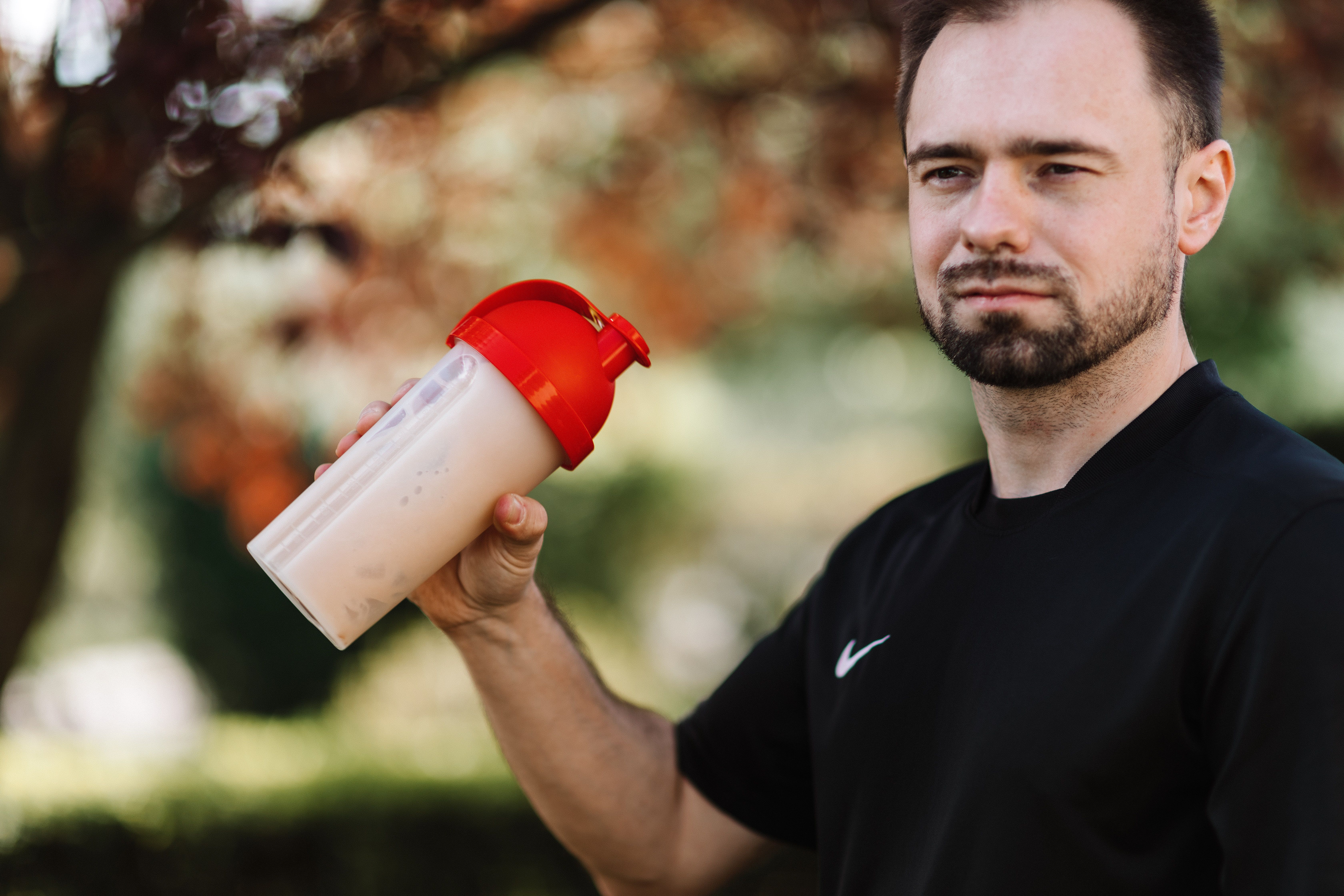
Protein is the growth engine of the food and supplement aisle, and brands know it. "High protein," "20g of protein," and "complete protein" now drive purchase decisions across yogurt, bars, shakes, and cereal. But protein carries a regulatory catch almost no other nutrient does. FDA does not let you claim protein based only on the grams in the bottle. You have to correct for how much of that protein the body can actually use. Skip the correction and you are exposed on two fronts: a misbranded label and a false-advertising class action.
Truli's Regulatory Radar now flags "Protein Content and Nutritional Claim Misrepresentation" as a rising claim-litigation risk. The plaintiffs' bar has found the gap between the gram number on the front of the pack and the usable protein FDA rules recognize. This post walks through the math FDA requires, the claim that triggers it, and the 2026 litigation pattern already forming around it.
Why protein is different from every other nutrient
Most nutrients are declared by weight and left there. Protein is not. Under 21 CFR 101.9(c)(7), you declare the grams of protein on the Nutrition Facts panel, but when you calculate the percent Daily Value for protein, you must correct for protein quality. That correction uses the Protein Digestibility-Corrected Amino Acid Score, or PDCAAS.
PDCAAS measures two things: how digestible a protein is, and whether it supplies the essential amino acids the body needs. The score runs from 0 to 1.0. A protein at 1.0 is fully usable. A protein at 0.5 delivers half the nutritional value of its gram count. You multiply the grams of protein by the PDCAAS, then calculate the %DV from that corrected number.
This is the step most brands skip. They print the raw gram count and either omit the protein %DV or calculate it off the uncorrected weight. Both are wrong under the regulation. The corrected figure is the one FDA recognizes as the nutritional value of the protein, and it is often meaningfully lower than the number on the front of the box.
The claim that triggers the math
Declaring protein on the panel is one obligation. Making a claim about it is another, and the claim is what raises the stakes. "High protein," "excellent source of protein," and "20g protein" are all nutrient content claims. That pulls them under 21 CFR 101.13, the general rule governing when and how you can characterize the level of a nutrient on a label.
The threshold claims are governed by 21 CFR 101.54. "Good source" means the food supplies 10 to 19 percent of the DV per serving. "High," "rich in," and "excellent source" mean 20 percent or more. Here is the trap: for protein, that percentage must be calculated from the corrected amount, not the raw grams. The PDCAAS correction decides whether your claim is legal.
Run the numbers. A bar with 20 grams of protein sounds like an easy "high protein" claim. But if the protein source scores 0.5 on PDCAAS, the corrected amount is 10 grams. Against a 50-gram Daily Value, that is 20 percent — barely qualifying. Drop the score or the grams a little, and the same product that says "high protein" on the front no longer meets the definition. The gram count did not lie, but the claim did.
Plant proteins carry the most risk
Digestibility is where plant proteins fall behind. Many animal proteins — whey, casein, egg, milk — score at or near 1.0. Plant sources routinely score lower because of reduced digestibility and limiting amino acids. That means the corrected value can sit well below the gram number printed on the front of the pack.
As brands reformulate toward pea, rice, hemp, and blended plant proteins, this gap widens. A plant-based shake advertising "25g plant protein" may deliver far less usable protein once PDCAAS is applied. If the corrected %DV does not support the claim, the front-of-pack message is misleading — and plant-forward products are exactly where plaintiffs are looking. The marketing that sells the product becomes the evidence against it.
The 2026 protein lawsuit pattern
This is no longer theoretical. Recent named cases target dairy and protein products directly. Pitre v. Chobani, LLC was filed July 7, 2026, and Knox v. Chobani, LLC was filed June 16, 2026. Both are consumer-fraud, false-advertising actions — the classic vehicle for protein-claim litigation.
The legal theory is consistent across these cases. Plaintiffs argue the brand advertised the uncorrected gram count while the usable, corrected protein was lower, misleading a reasonable consumer. The reasonable-consumer standard is the pivot: courts ask whether a significant portion of ordinary shoppers would be deceived by the front-of-pack claim. A "high protein" flag that the label's own corrected math cannot support is a clean fit for that argument.
In Truli's docket data, claim-substantiation and serving-size disputes are among the highest-volume litigation themes. Protein sits at the intersection of both. The claim needs substantiation the PDCAAS correction either supports or destroys, and the %DV depends on the serving size you declare. When those pieces do not line up, you have handed a plaintiff the elements of the case.
What this means for your brand
Protein compliance is a math problem before it is a legal one. Get the math right up front and the claim defends itself. The steps below close the gap between what the front of the pack promises and what the regulation recognizes.
Run PDCAAS on your actual protein source. Do not assume a blend scores well. Get the corrected value for the specific ingredients and ratios you use.
Declare the corrected %DV whenever you make a protein claim. If you say "high protein," the %DV on your panel must be calculated from the corrected amount, per 101.9(c)(7).
Align front-of-pack gram claims with the corrected value. If the corrected amount does not clear the 20 percent threshold, do not use "high" or "excellent source." Match the marketing to the math.
Confirm the claim against the 101.54 thresholds. "Good source" is 10 to 19 percent DV; "high" is 20 percent or more — measured on the corrected figure, not raw grams.
Document your substantiation. Keep the PDCAAS data, the serving-size basis, and the %DV calculation on file. That record is your first line of defense if a claim is challenged.
The brands getting sued are not lying about grams. They are skipping the correction that turns grams into a legal claim. That distinction is the whole case, and it is entirely preventable at the label stage.
Get your protein claims right before a plaintiff checks the math
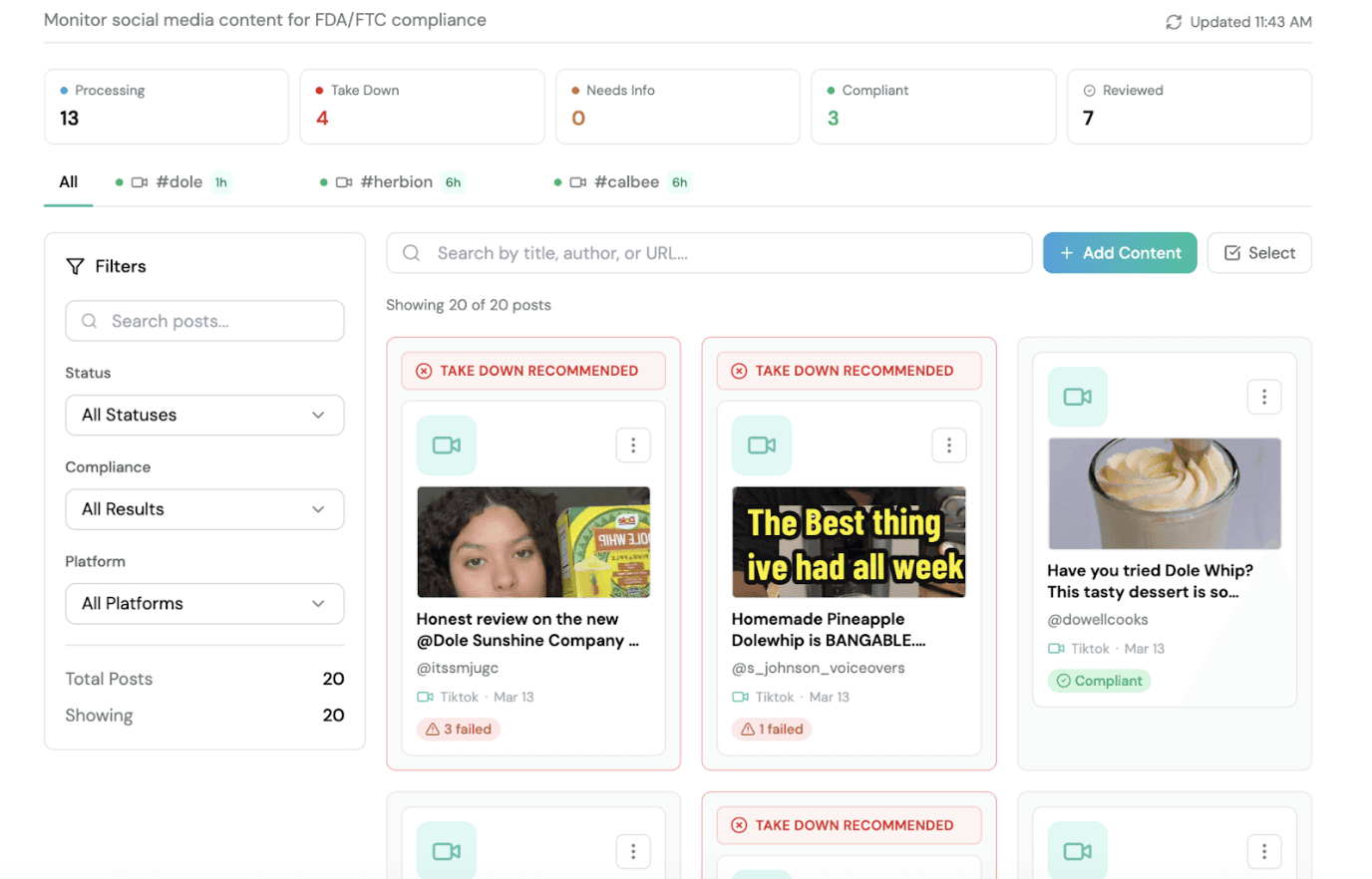
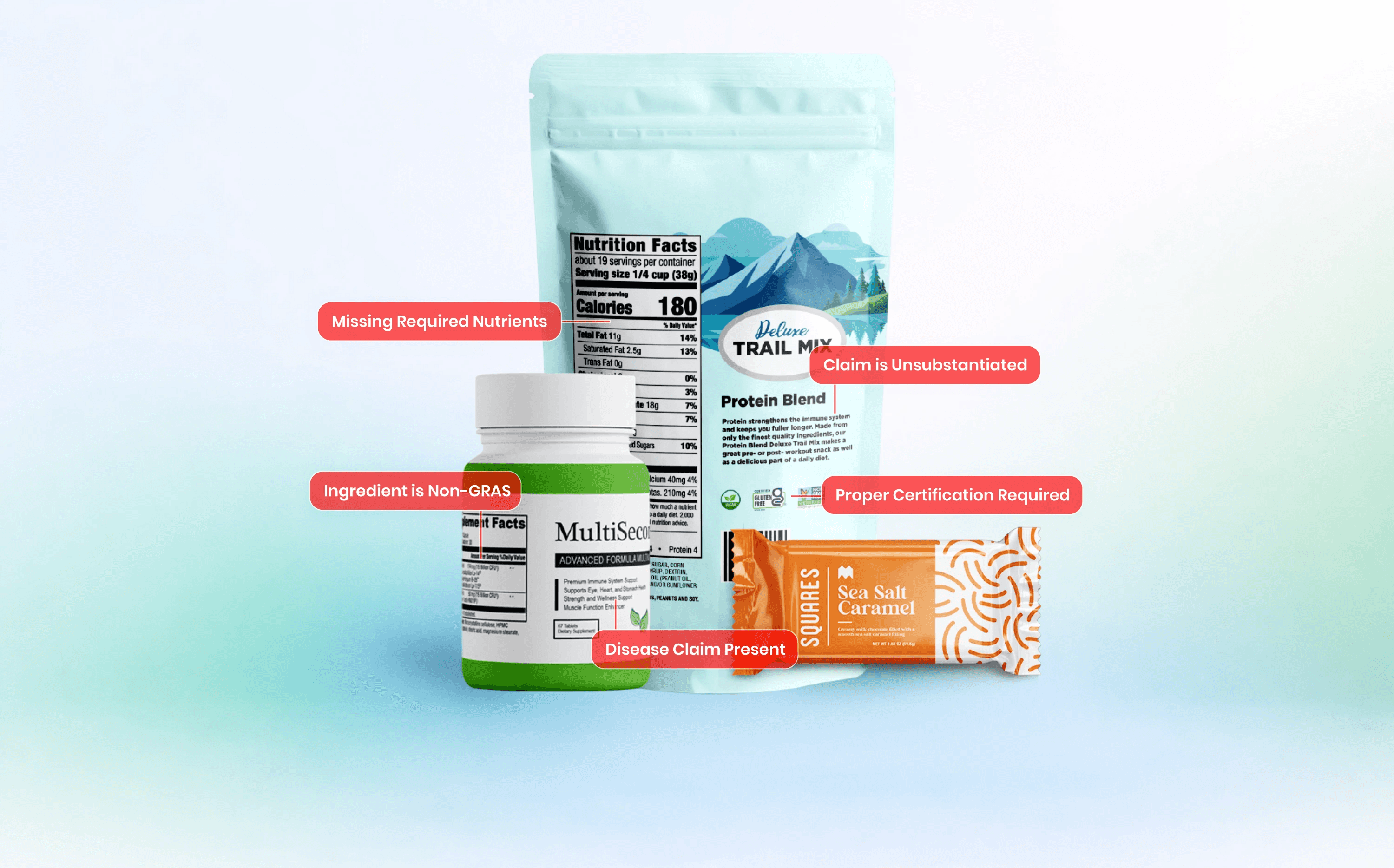
Truli is an AI-native compliance platform built for food and supplement brands. Our AI agents audit your labels, packaging, and marketing copy against FDA and FTC rules — catching a "high protein" claim that the corrected %DV cannot support, and citing the exact regulation behind it. Regulatory Radar tracks warning letters, recalls, and litigation trends like the protein-claim wave for your product categories, so you see the risk forming before it reaches your shelf. Truli catches the problem before enforcement or a class action does. Book a demo.
About

Truli is an AI compliance platform for food, beverage, and supplement brands. Automate FDA/FTC label reviews, claims validation, and post-market monitoring — 10x faster.

Platform
See Truli in action
If regulatory delays are consuming months and thousands in fees, see how Truli delivers fast and continuous compliance coverage at a fraction of the cost.
Book a demo