Salmonella in Supplements and Produce — Where Controls Fail
Salmonella is the single most common pathogen behind FDA food recalls in 2026. For supplement and produce brands, the risk traces back to raw plant materials and the supplier controls around them. Here's what the recent contamination data shows and where the gaps usually are.

Catherine Zhou
| Co-founder at Truli
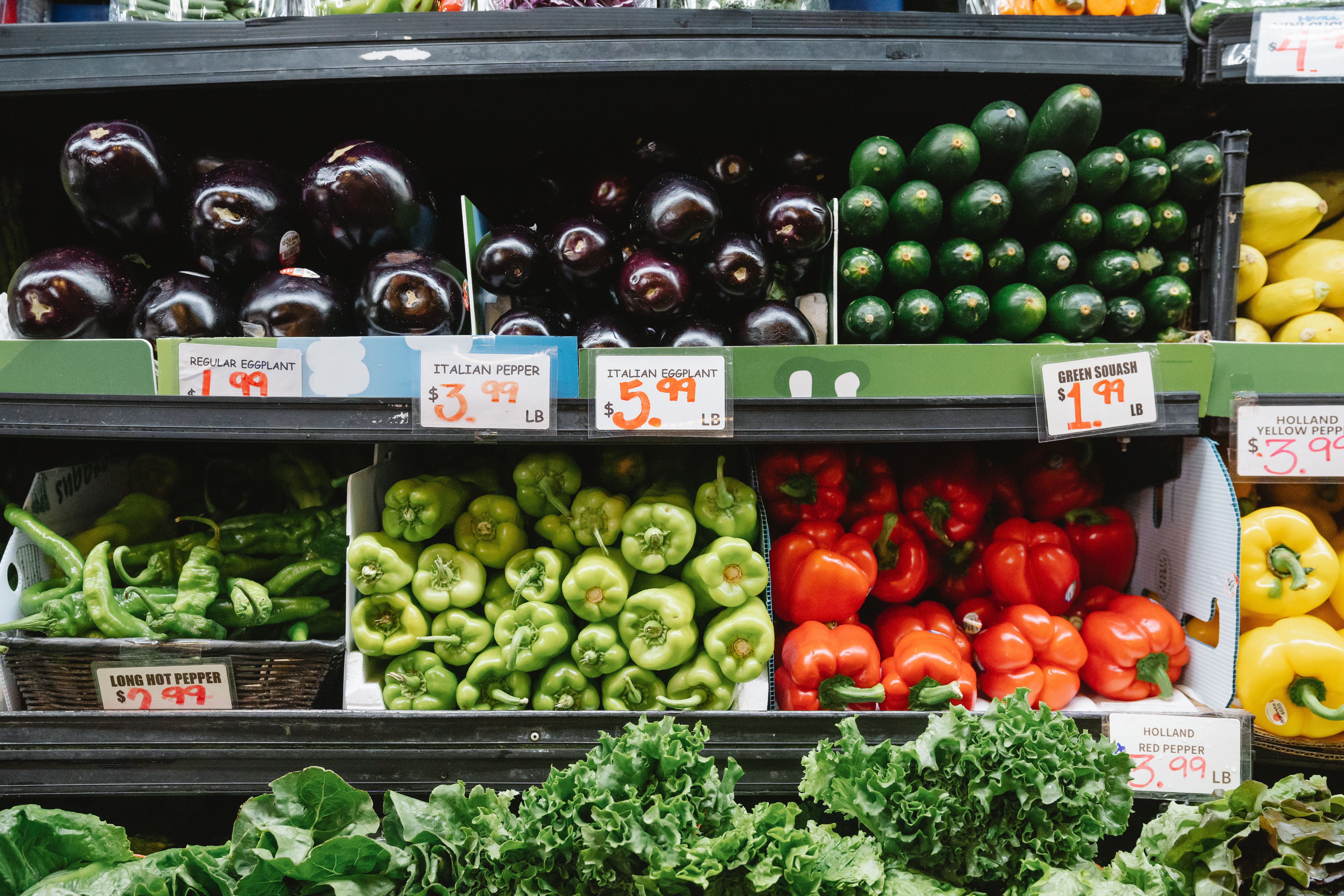
Salmonella is the single most common pathogen behind FDA food recalls in 2026. For supplement and produce brands, that risk almost always traces back to raw plant materials and the supplier controls wrapped around them. Botanical powders, dried herbs, spices, and fresh produce share a common vulnerability: they enter your facility carrying whatever the field, the soil, and the water gave them. This post walks through the recent contamination data and shows exactly where testing and supplier programs tend to break down.
Truli's Regulatory Radar currently flags "Pathogenic Bacteria Contamination in Supplements and Produce" at a risk score of 60 out of 100. That score reflects separate alert clusters across both produce and supplements, and both point to the same root causes: environmental monitoring gaps and weak supplier verification. When the same failure mode shows up in two different product categories, it stops being bad luck. It becomes a pattern operators can plan around.
Salmonella leads the recall data
The numbers are blunt. Salmonella drove roughly 32 FDA recalls over the last four months. That is about one in five food recalls, and by count it outpaces Listeria and every other pathogen combined. No other single hazard comes close right now.
That concentration matters because it tells you where to spend finite compliance attention. If you run a supplement or food brand touching plant-derived inputs, Salmonella is not one risk among many. It is the risk. A control program built around it will catch most of what enforcement is actually finding.
Salmonella earns that top spot for a reason. It survives in dry environments for months, tolerates low-moisture products like powders and spices, and needs only a tiny dose to cause illness. Heat steps that brands assume will kill it often fall short in low-water-activity ingredients. That combination makes botanicals and dried plant materials an ideal carrier.
Why botanicals and raw plant materials are the weak point
Raw plant materials are a recurring source of microbial contamination in supplements, and the reasons are structural. Botanicals are grown in open fields, harvested from soil, dried in variable conditions, and often handled across several intermediaries before they reach your dock. Every one of those steps is a chance for Salmonella to enter.
The sourcing chain is the core problem. A single botanical ingredient can pass through a farm, a local aggregator, a drying operation, an exporter, and a broker before you ever see it. Sanitation standards vary at each link, and visibility drops fast the further upstream you look. You are trusting controls you cannot see and often cannot audit.
Manufacturing sanitation compounds it. Grinding, blending, and encapsulating dry botanicals move contamination around a facility and concentrate it in finished lots. If Salmonella arrives on incoming material and your process has no validated kill step, it survives all the way to the consumer. Dry environments do not clean themselves.
Certificates of analysis are not a testing program
Here is the trap that catches good brands. A supplier sends a certificate of analysis, the paperwork looks clean, and the lot gets released. But a COA is a claim, not verification. It tells you what the supplier says about a sample they chose, tested how they chose, at a point in time you did not control.
COAs fail in predictable ways. They can cover a different lot than the one shipped, rely on an insensitive method, sample too few units to catch uneven contamination, or simply be fabricated. Salmonella distributes unevenly in dry powders, so a passing sample from one corner of a lot says little about the rest. Treating a COA as proof of safety is how contaminated material clears receiving.
The fix is not to throw out COAs. It is to treat them as one input into a verification program you actually run, backed by your own testing and periodic supplier audits.
The controls that catch it
A real pathogen program rests on four layers that reinforce each other. Skipping any one of them leaves a gap that Salmonella exploits.
Supplier verification comes first. Under 21 CFR Part 111, the cGMP rule for dietary supplements, you are responsible for establishing component identity and purity, which includes controlling microbial hazards on incoming materials. That means qualifying suppliers, reviewing their controls, and setting written specifications rather than accepting whatever arrives. For conventional food and produce processors, 21 CFR Part 117 requires a supply-chain program to control hazards that suppliers are responsible for managing.
Incoming microbial testing is the second layer. Part 111 requires testing components against your specifications before use, and for high-risk botanicals that means pathogen testing on receipt with a statistically meaningful sampling plan. One grab sample does not cut it for uneven dry-material contamination. Test enough units to give the result meaning.
Finished-product release testing is the third. Part 111 also requires that finished products meet established specifications, so a hold-and-release program that tests finished lots for Salmonella before shipment is your last defense. If incoming testing misses a hot spot, release testing is the backstop between your facility and a recall.
Environmental monitoring is the fourth, and the one most often skipped. Salmonella colonizes drains, equipment, and dry areas of a plant, then reintroduces itself into product long after the original ingredient is gone. A swabbing program that maps and monitors your facility catches this resident contamination before it reaches a lot. For covered produce operations, the Produce Safety Rule at 21 CFR Part 112 addresses the field-level equivalents: agricultural water quality, worker hygiene, wild and domesticated animal intrusion, and equipment sanitation.
What this means for your brand
If you handle botanicals, spices, dried plant materials, or fresh produce, treat Salmonella as your primary microbial hazard and build backward from there. The practical priorities:
Map your full sourcing chain for every botanical, not just your direct supplier, and identify where visibility drops.
Replace COA-only acceptance with a written verification program plus your own incoming pathogen testing.
Use a real sampling plan for dry materials, since one sample cannot represent an unevenly contaminated lot.
Run finished-product hold-and-release testing on high-risk lots before shipment.
Stand up environmental monitoring with routine drain and zone swabbing, not just reactive testing after a problem.
Reconcile your specifications and records against Part 111, Part 117, or Part 112, depending on your product category.
None of this is optional under current regulation, and none of it is exotic. The brands that get caught in recalls are usually the ones that assumed a clean COA meant a clean lot. The pattern in the data is consistent enough that you can build a program to stay ahead of it.
See your pathogen and supplier risk before FDA does
Truli is an AI-native compliance platform for food and supplement brands, and its Regulatory Radar monitors FDA and USDA warning letters, recalls, and litigation trends across your exact product categories, so a rising Salmonella pattern reaches you before enforcement does. Truli's AI agents audit your labels, ingredient records, and supplier documentation against Part 111, Part 117, and Part 112, cite the governing regulation, and flag where your controls fall short. It is compliance intelligence, not legal advice, built to catch problems before a recall does. Book a demo.
About

Truli is an AI compliance platform for food, beverage, and supplement brands. Automate FDA/FTC label reviews, claims validation, and post-market monitoring — 10x faster.

Platform
See Truli in action
If regulatory delays are consuming months and thousands in fees, see how Truli delivers fast and continuous compliance coverage at a fraction of the cost.
Book a demo