Non-Alcoholic Beer Labeling — Why FDA Rules Your NA Brand
Non-alcoholic beer is the fastest-growing segment in beer, and it carries the most misunderstood label in the aisle. Most NA founders assume they answer to TTB like any brewery. In reality, an NA beer under 0.5% ABV is a food in FDA's eyes — and for malt-based products, TTB never fully lets go either.

Michael Wu
| Co-founder at Truli
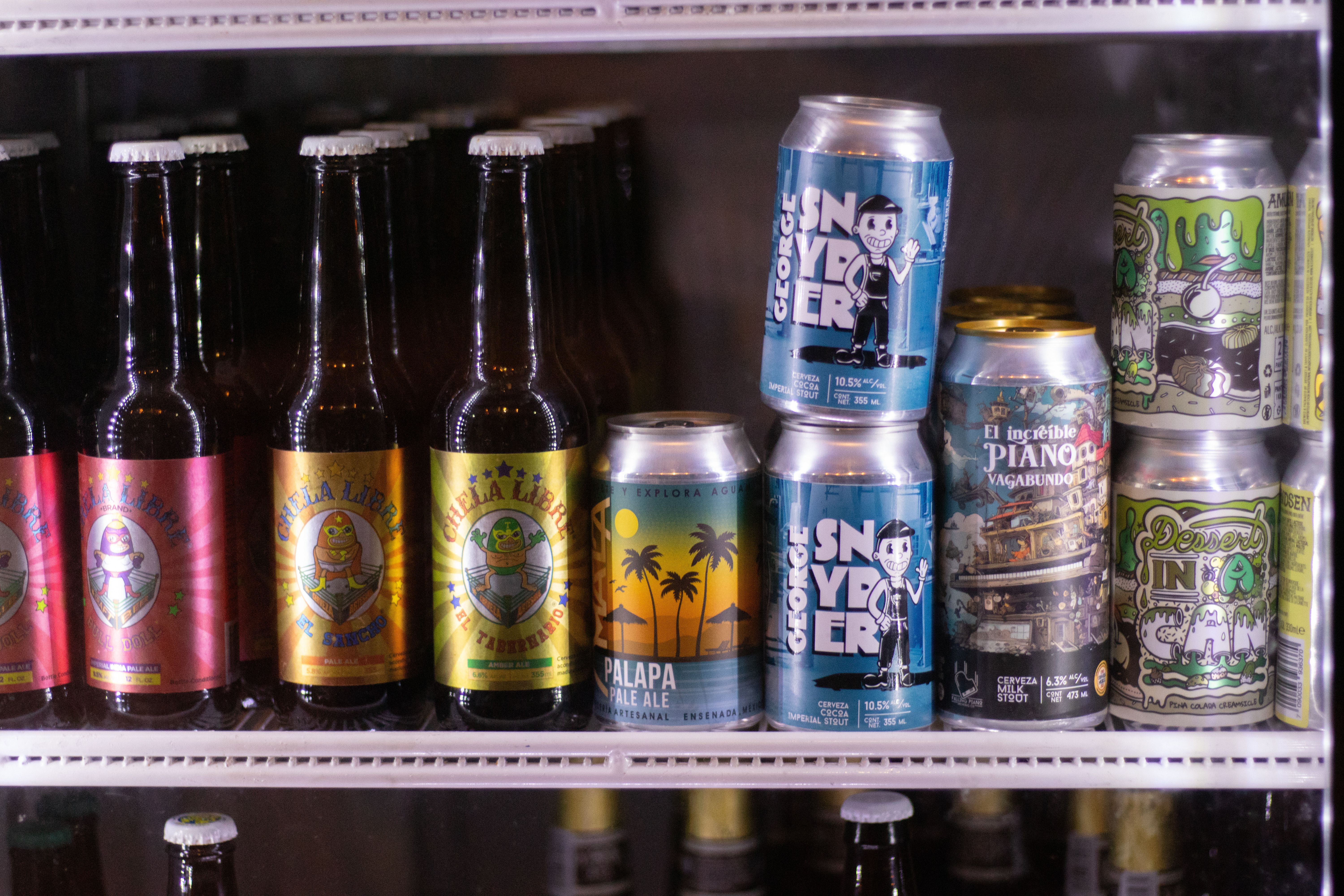
Here is the fact that surprises almost every NA founder: a non-alcoholic beer is regulated as a food. Once a beverage contains less than 0.5% alcohol by volume, it is not an "alcoholic beverage" under federal law — which means the full FDA food-labeling framework applies, including a Nutrition Facts panel, a complete ingredient list, and allergen declarations. At the same time, if your NA beer is brewed from malted barley and hops, it still meets the Federal Alcohol Administration Act's definition of a malt beverage — a definition with no minimum alcohol content — so TTB's malt beverage labeling rules apply on top.
Two agencies, one can. Getting only one rulebook right means your label is wrong.
Why FDA owns the core of your NA label
The FD&C Act treats any beverage under 0.5% ABV as a conventional food, and FDA's food-labeling regulations in 21 CFR Part 101 apply in full. Concretely, your NA beer label needs:
A Nutrition Facts panel formatted to FDA specifications — serving size, calories, and the required nutrients with correct rounding
A complete ingredient statement in descending order of predominance
Major allergen declarations — for beer that means wheat and, where relevant, other FASTER Act allergens; barley itself is not a major allergen, but wheat adjuncts are
Net quantity, statement of identity, and manufacturer information
There is no pre-market gatekeeper on this side. Nobody at FDA reviews your NA label before it prints — the first review may be a warning letter or a retailer audit. That is the opposite of the COLA process breweries know, and it is where most NA labeling failures happen: wrong serving sizes, missing sesame or wheat declarations, and rounding errors in the panel.
One thing you lose below 0.5% ABV: the Government Warning under 27 CFR Part 16 is not required, because the product is not an alcoholic beverage.
Where TTB still has its hooks in
Does TTB regulate NA beer at all? Yes — if it is malt-based. The FAA Act defines a malt beverage by how it is made (fermented from malted barley with hops), not by its alcohol content. A beer brewed conventionally and then dealcoholized is still a malt beverage at 0.4% or even 0.0% ABV, so 27 CFR Part 7's labeling and advertising rules travel with it.
TTB reinforced this in its low- and no-alcohol beverage guidance published in early 2026, which walks through exactly how the two regimes stack. The practical TTB obligations for a malt-based NA product:
Formula approval. Dealcoholized malt beverages require a TTB formula because dealcoholization is a special process; a "0.0%" claim additionally needs lab analysis supporting the total absence of alcohol.
Part 7 labeling rules, including the specific rules on alcohol content statements and the prohibited-practices provisions.
Brewery qualification. Producing NA beer by brewing and removing alcohol still happens at a TTB-qualified brewery.
If your NA product skips malt or hops — say, a "beer-flavored" brew from sorghum without hops, or an NA hop water — it is not a malt beverage, and TTB drops out entirely. Then FDA is your only labeling regulator, much like the jurisdiction split we covered for sugar-based hard seltzers.
"Non-alcoholic" vs. "alcohol free" — the two claims are not interchangeable
The distinction is precise, and TTB enforces it through 27 CFR 7.65:
Claim | Threshold | Required conditions |
|---|---|---|
"Non-alcoholic" | Under 0.5% ABV | The statement "contains less than 0.5 percent (or .5%) alcohol by volume" must appear immediately adjacent, legible, on a contrasting background |
"Alcohol free" | 0.0% ABV — no tolerance | Product must contain no alcohol at all; TTB expects lab analysis to back the claim |
"Low alcohol" / "reduced alcohol" | Under 2.5% ABV | Actual content may not reach 2.5% regardless of tolerance |
Two traps hide in that table. First, a label may not state "0.0% ABV" unless the product is also labeled "alcohol free" and genuinely contains zero alcohol — and fermented-then-dealcoholized beers almost always retain trace alcohol, so most NA beers can claim "non-alcoholic" but not "alcohol free." Second, the adjacency requirement is a real rejection point: the "contains less than 0.5%" statement cannot be tucked on the back panel away from the front-of-can "non-alcoholic" flag.
One more naming wrinkle from TTB's NA guidance: because "beer" is defined in the Internal Revenue Code as containing 0.5% ABV or more, TTB's position is that sub-0.5% products should not be designated simply as "beer" — they are labeled as non-alcoholic malt beverages.
The health-halo problem in NA marketing
NA brands market like wellness brands — and that invites food-law scrutiny that regular beer never faces. Because your product is FDA-regulated, every nutrient claim must satisfy FDA's nutrient content claim rules: "low calorie" and "zero calorie" have defined thresholds under 21 CFR 101.60, and an unqualified "healthy" positioning triggers FDA's criteria for that term. "Only 60 calories" is a claim, not a fact statement, the moment it appears on your can or your website.
Class-action firms have noticed the category too. NA products marketed with unsupported "clean" or better-for-you language face the same false-advertising exposure as any food brand, with none of the regulatory pre-clearance that would catch problems early.
The compliance checklist most NA brands actually need
Treat your label as a food label first, then layer the TTB items on top. FDA side: Nutrition Facts with verified rounding, full ingredient list, allergen review including sesame and wheat, compliant claims. TTB side (malt-based products): formula on file, correct "non-alcoholic" qualifier placement, no "alcohol free" unless you can prove 0.0%. And remember the split runs through your portfolio, not just one SKU — a brewery selling a 5% flagship and an NA version holds one label under each regime.
Two rulebooks, one scan
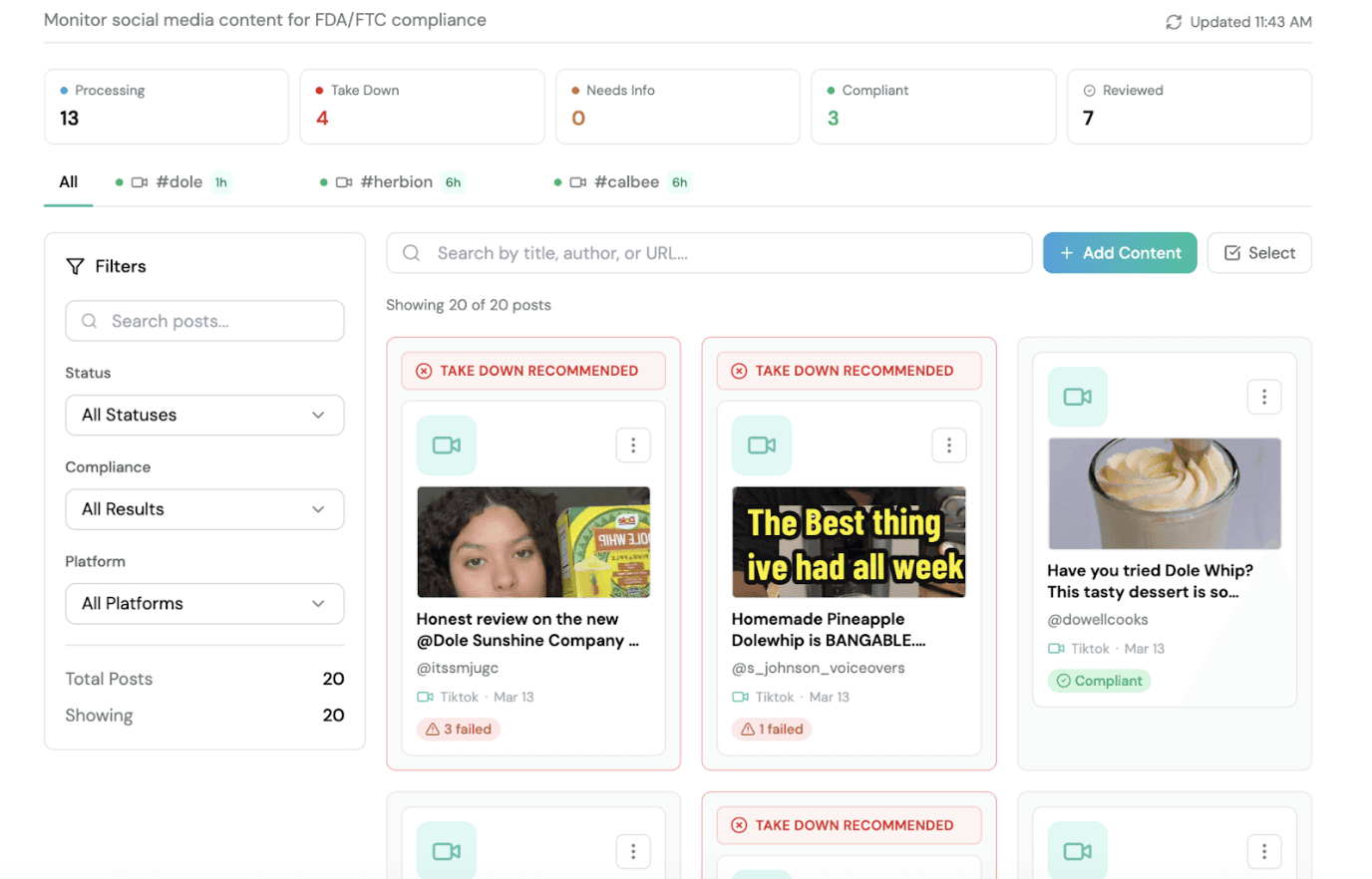
Truli was built for exactly this kind of dual-jurisdiction product. Our AI agents scan your label, packaging, website, and social content against both FDA's food-labeling rules and TTB's malt beverage requirements, citing the specific regulation behind every finding — Nutrition Facts rounding, allergen gaps, and "non-alcoholic" qualifier placement included. Book a demo and see where your NA labels stand.
A note from Truli: Truli is not a law firm, and this article does not constitute or contain legal advice or create an attorney-client relationship. When determining your obligations and compliance with respect to relevant laws and regulations, you should consult a licensed attorney.
About

Truli is an AI compliance platform for food, beverage, and supplement brands. Automate FDA/FTC label reviews, claims validation, and post-market monitoring — 10x faster.

Platform
See Truli in action
If regulatory delays are consuming months and thousands in fees, see how Truli delivers fast and continuous compliance coverage at a fraction of the cost.
Book a demo