Hidden Allergens in Imported and Ethnic Foods — A Blind Spot
Undeclared allergens are the top cause of US food recalls — and imported and ethnic specialty foods are a recurring hotspot. Foreign labels follow different allergen rules, and repeat alerts for the same imported products signal supplier controls that never caught up. Here's where the blind spot is.

Catherine Zhou
| Co-founder at Truli
Undeclared allergens are the single most common reason for FDA food recalls in 2026, driving roughly one in three. Inside that category sits a quieter, more stubborn problem: imported and ethnic specialty foods. These products carry allergens that foreign labels flag differently, or don't flag at all. When a sesame paste, fish sauce, or milk-solid ingredient crosses the border with a label written for another market, the US "Contains" statement often never gets added. That gap is where recalls start.
The pattern is visible in enforcement data. Truli's Regulatory Radar tracks import-specific allergen risk topics that keep recurring: undeclared peanut in imported foods, undeclared milk in ethnic foods, undeclared fish and seafood in imported Asian seafood, and undeclared soy in prepared foods. These aren't one-off mistakes. They point to supplier and labeling systems that never adapted to US rules.
Why imported and ethnic foods are an allergen hotspot
Imported foods have to meet US labeling law regardless of what the origin country requires. That single fact creates most of the risk. A product can be perfectly compliant in its home market and still arrive misbranded here.
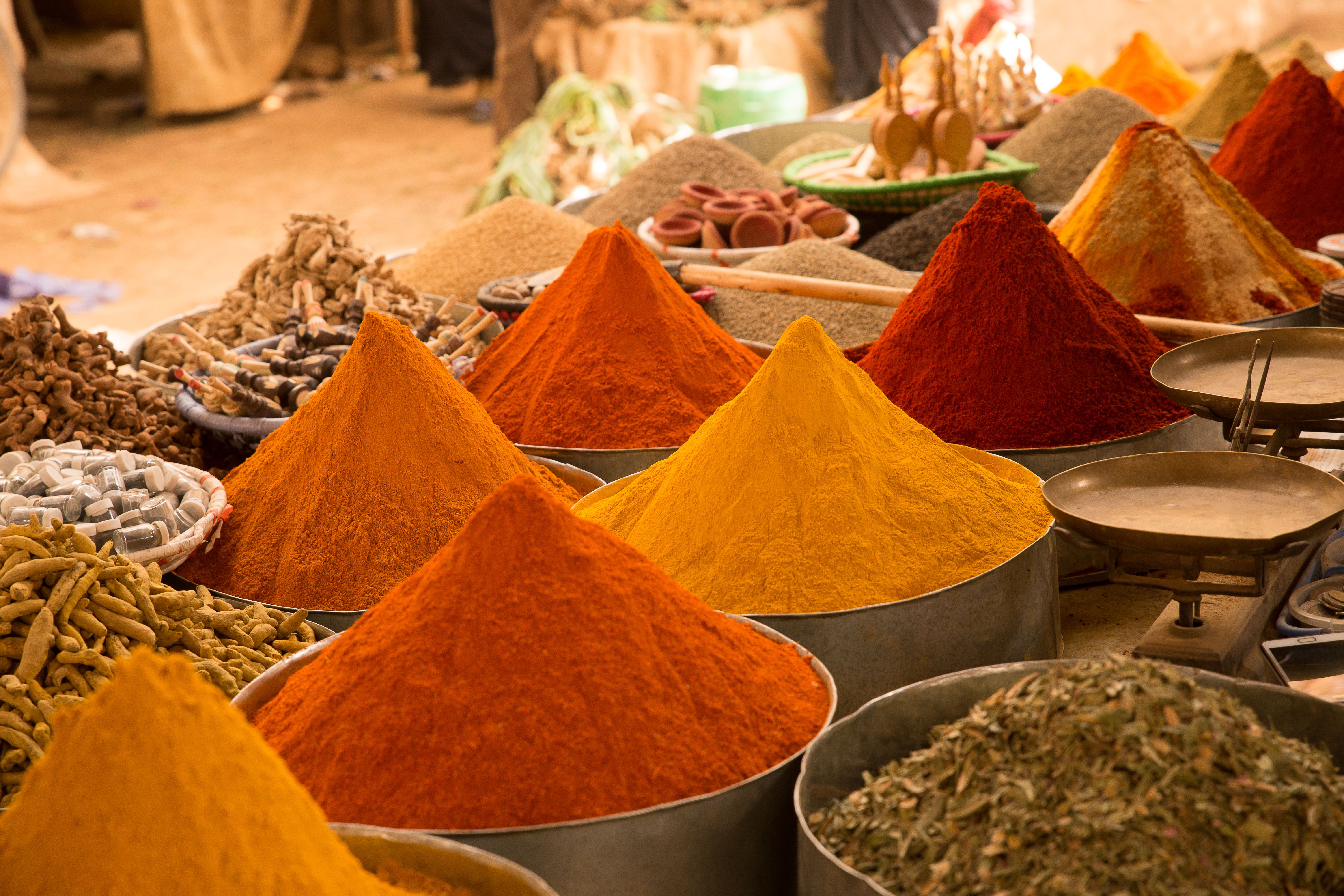
Ethnic specialty ingredients concentrate the problem because so many of them are allergen carriers. Sesame paste, fish sauce, peanut-based sauces, and milk solids all deliver a major US allergen inside a compound ingredient. A foreign label may list the ingredient by a regional name, bury it in a sauce blend, or skip the allergen call-out entirely because local rules didn't demand it.
Translation gaps make it worse. When an ingredient statement moves from another language into English, allergens hidden in compound ingredients frequently drop out. The importer sees a clean-looking English label and assumes the work is done. The allergen is still in the jar.
The nine US allergens vs. foreign labeling rules
The US standard is set by FALCPA, the Food Allergen Labeling and Consumer Protection Act. It defines nine major allergens: milk, egg, fish, crustacean shellfish, tree nuts, peanuts, wheat, soybeans, and sesame. Sesame was added by the FASTER Act, effective January 1, 2023, and it remains the most commonly missed of the nine on imported products.
Foreign allergen regimes don't match this list. Some markets regulate more allergens, some fewer, and many use different naming conventions and thresholds. A label built for one of those systems will not satisfy US requirements by coincidence. When it doesn't, the product is misbranded under section 403(w) of the FD&C Act, and it becomes recallable.
Precautionary labels are the most dangerous false comfort. Statements like "may contain" or "produced in a facility that also processes" are advisory. They do not substitute for a US "Contains" statement when an allergen is actually an ingredient. If sesame is in the recipe, "may contain sesame" is not compliance — the label needs a clear declaration tied to the ingredient list.
Here is the practical translation problem for the nine allergens on imported SKUs:
Fish sauce and dried seafood carry fish and crustacean shellfish that regional labels often abbreviate or omit
Tahini, halva, and spice blends carry sesame that pre-2023 label templates never flagged
Sauce bases and confections carry milk solids and peanut derivatives inside compound ingredients
Soy protein and soy sauce appear in prepared foods without a US-style soy declaration
Repeat alerts signal a systemic supplier failure
The clearest warning sign is repetition. Regulatory Radar regularly surfaces multiple alerts for the same imported product within days — for example, repeated peanut alerts on a single imported brand. That is not bad luck. It is a supplier whose labeling and controls never caught up to US rules.
An isolated recall can be a one-time packaging error. A cluster of alerts on the same brand or the same ingredient category is a pattern. It tells you the failure is upstream, in how the supplier formulates, labels, or segregates allergens. Fixing one lot does nothing if the next shipment carries the same undeclared allergen.
For brand operators, that distinction changes the response. A single alert warrants a corrective action on the affected lot. A repeat pattern warrants a supplier audit and, often, a supplier change. Treating a systemic failure as an isolated one is how brands end up in the same recall twice.
The FSVP allergen connection
The rule that ties this together is the Foreign Supplier Verification Program, at 21 CFR Part 1, Subpart L. FSVP puts the burden on the importer, not the foreign supplier, to verify that food is produced consistent with US safety standards. Allergens are explicitly in scope.
Under FSVP, the importer must identify hazards for each food and verify that the foreign supplier controls them. Undeclared allergens are a known hazard requiring a control. That means allergen verification isn't optional paperwork — it's a core part of the hazard analysis you're legally required to perform for imported ingredients and finished goods.
In practice, most import allergen recalls are FSVP failures at their root. The importer either didn't identify the allergen hazard in a compound ethnic ingredient, or accepted a foreign label as proof of a control it never actually verified. Closing the blind spot means treating allergen declaration as a verified supplier hazard control, documented per shipment, not an assumption.
What this means for your brand
If you source imported or ethnic specialty ingredients, the fix is a repeatable set of controls applied on every SKU. Do these things:
Re-declare allergens per US FALCPA rules on every imported SKU, using a US "Contains" statement instead of trusting the foreign label
Trace compound and ethnic ingredients down to their sub-ingredients, so allergens hidden in sauces, pastes, and blends surface
Verify supplier allergen controls under FSVP, and document that verification as part of your hazard analysis
Don't rely on foreign precautionary labels — "may contain" never replaces a required "Contains" declaration
Re-check allergen declarations on every supplier change, reformulation, or new sourcing region
The through-line is simple: the origin-country label is a starting point, never the finished US label. Every imported SKU needs an independent allergen review against the nine US allergens, backed by supplier verification you can show an inspector. Repeat alerts on your categories are the signal to act before enforcement does.
Close the import allergen blind spot before a recall finds it
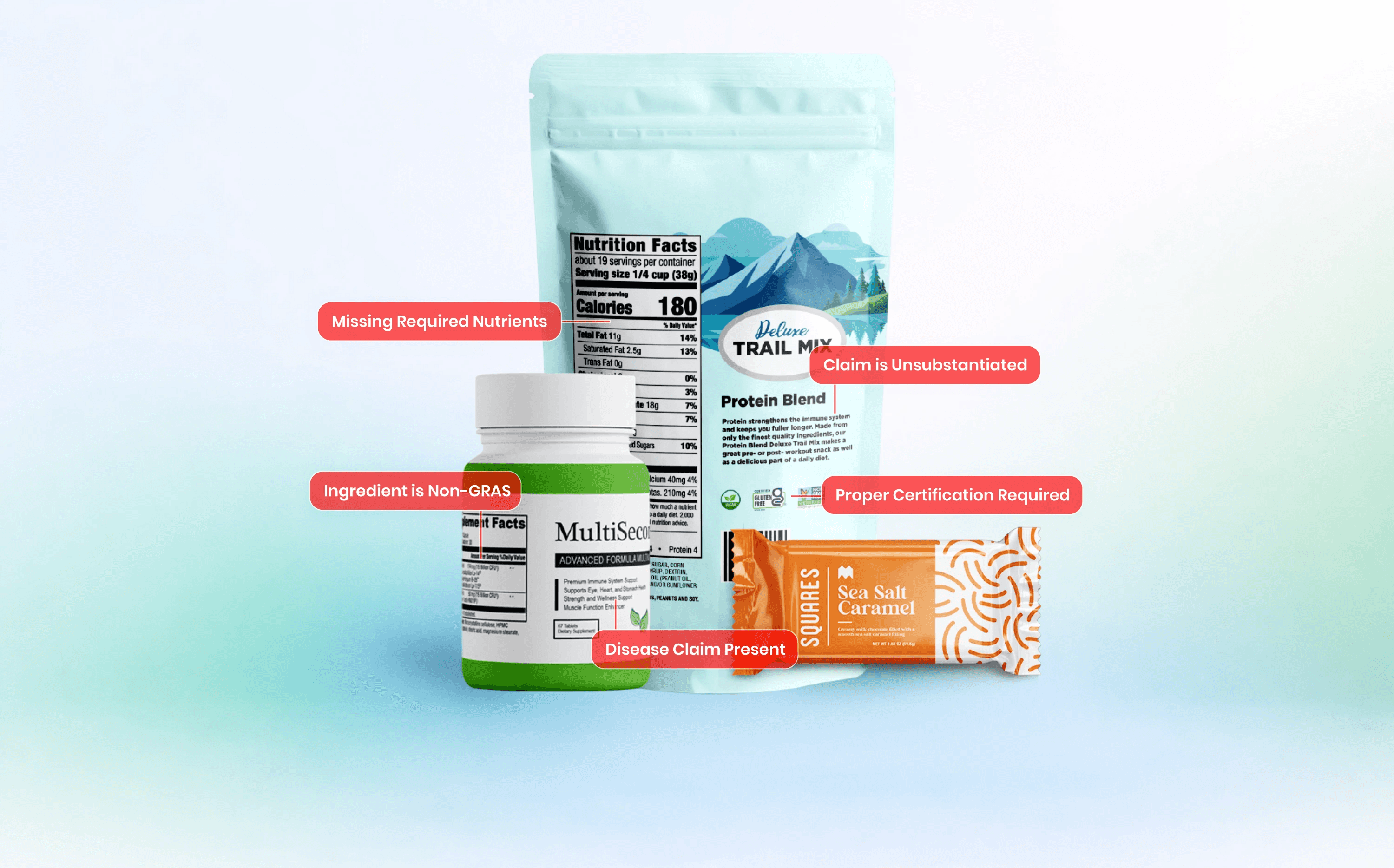
Truli is an AI-native compliance platform built for food and supplement CPG brands. Our AI agents audit labels, ingredient statements, and marketing against FDA and FTC rules, cite the exact regulation, and suggest the fix — including allergen and ingredient cross-checks against your product catalog to catch undeclared allergens in compound imported ingredients. Regulatory Radar watches FDA and USDA warning letters, recalls, and litigation trends for your categories, so you see repeat import allergen patterns before they reach your shelf. Book a demo.
About

Truli is an AI compliance platform for food, beverage, and supplement brands. Automate FDA/FTC label reviews, claims validation, and post-market monitoring — 10x faster.

Platform
See Truli in action
If regulatory delays are consuming months and thousands in fees, see how Truli delivers fast and continuous compliance coverage at a fraction of the cost.
Book a demo