Hemp Gummies and Edibles — Labeling Before the 2026 Deadline
Hemp-derived THC gummies built a billion-dollar category on a percentage threshold that no longer protects them. On November 12, 2026, federal law switches to a hard 0.4 mg total THC cap per container, and almost no edible on the shelf today clears it. Brands have one selling season left to decide what their labels, formulas, and packaging look like on the other side.

Catherine Zhou
| Co-founder at Truli
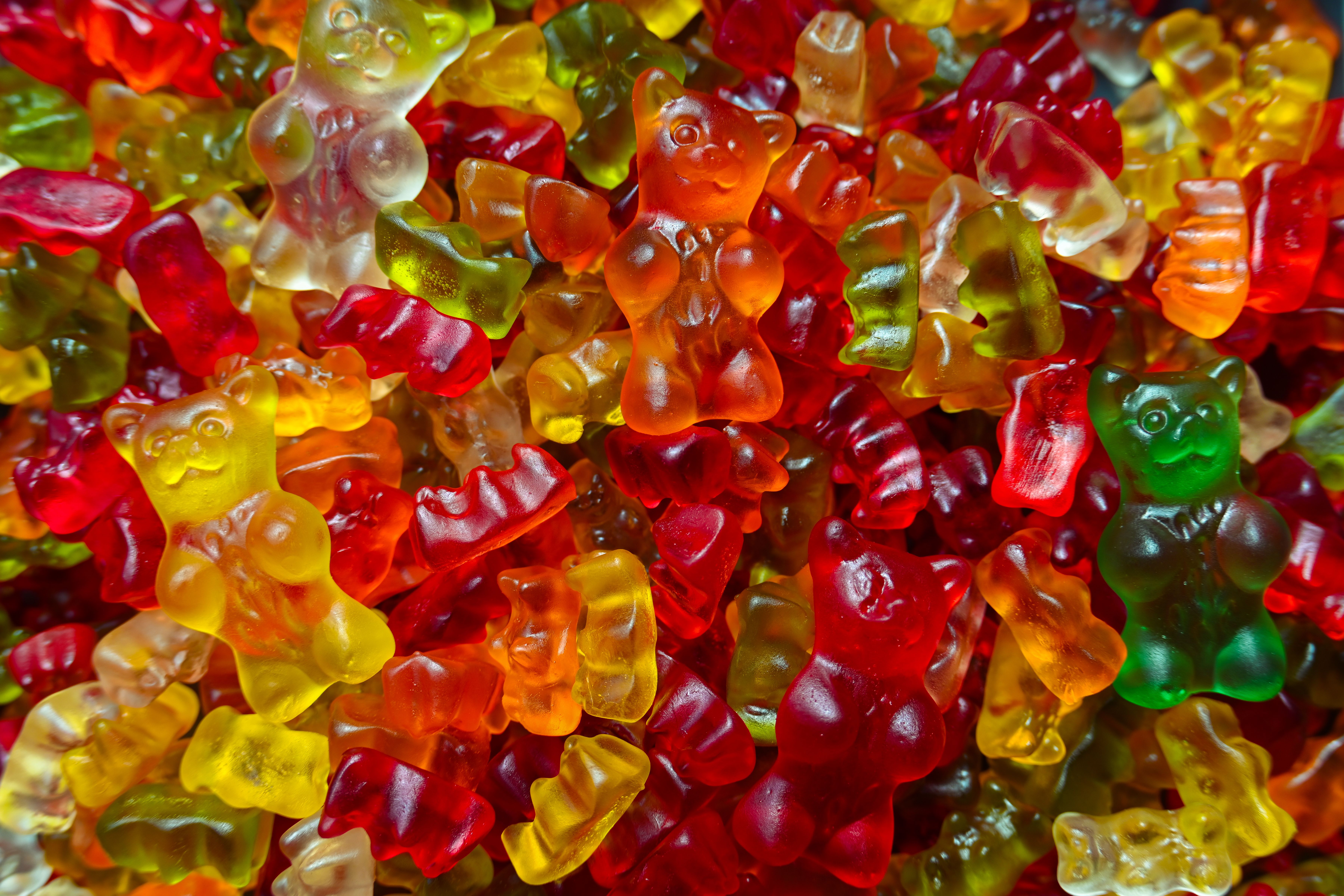
Hemp-derived THC gummies became a mainstream product on a simple legal premise: stay under 0.3 percent delta-9 THC by dry weight and you are selling hemp, not marijuana. H.R. 5371 ends that premise. On November 12, 2026, federal law stops measuring THC as a percentage of product weight and starts capping it per container. For edibles, that is not a labeling tweak. It is a category reset, and the labeling decisions you make between now and the deadline determine whether you have products to sell after it.
What the Federal Redefinition Actually Says
Section 781 of H.R. 5371, the appropriations law signed on November 12, 2025, rewrites the federal definition of hemp. Three changes hit edibles directly:
Total THC testing. Compliance is now measured as total THC, which includes THCA, THC isomers, and any other cannabinoid FDA determines has similar effects, not just delta-9.
A 0.4 mg per-container cap. Finished hemp products intended for ingestion, inhalation, or topical use may contain no more than 0.4 mg total THC per container.
Synthetic and converted cannabinoids are excluded. Cannabinoids made by chemical conversion, including most delta-8 THC synthesized from CBD, no longer qualify as hemp at all.
The changes take effect November 12, 2026. The U.S. Hemp Roundtable estimates the new definition eliminates roughly 95 percent of existing hemp-derived cannabinoid products. Litigation and legislative fixes are pending, but no operator should build a 2027 plan that depends on them succeeding.
Why Edibles Take the Hardest Hit
The cap is per container, not per serving, and that math is brutal for gummies. A single 5 mg gummy carries more than twelve times the allowed total THC for an entire package. A 10-count bag of 5 mg gummies holds 50 mg per container, 125 times the new federal limit. Shrinking serving sizes or count-per-bag does not solve anything, because the container is the unit of compliance.
That leaves three realistic paths. Reformulate to CBD-dominant products with total THC genuinely below 0.4 mg per container, verified by a certificate of analysis at the finished-product level. Move intoxicating SKUs into state-licensed marijuana channels where you can get licensed. Or manage sell-through so noncompliant inventory is gone before the effective date. Every path starts with knowing exactly what your current labels claim and what your COAs actually show.
Reformulation has its own labeling trap: total THC includes THCA and isomers, so a "compliant" delta-9 number on an old COA may hide a noncompliant total. Order fresh finished-product testing against the new definition before you print 2027 packaging, and confirm your lab reports total THC rather than delta-9 alone.
State Labeling Rules Govern Right Now
The federal deadline does not suspend state law in the meantime. States that permit hemp-derived THC edibles have built detailed labeling regimes, and enforcement against sloppy labels is active today.
Serving and package caps must appear on the label
Most state regimes cap hemp edibles at 5 to 10 mg of THC per serving, with a package-level ceiling on top. Minnesota's 5 mg per serving and 50 mg per package structure became the template several states copied. Your panel needs the milligrams of each cannabinoid per serving and per package, the number of servings, and in many states a scannable link to the batch COA.
Child-resistant packaging and universal symbols
States including Tennessee, Minnesota, and Louisiana require child-resistant packaging for ingestible hemp cannabinoid products, plus age-gating statements like "Keep out of reach of children" and 21+ language. Several states now mandate an intoxicating-cannabinoid universal symbol on the principal display panel, mirroring the marijuana-program symbols used in adult-use states.
Copycat packaging is a federal enforcement priority
FDA and FTC issued joint warning letters on July 16, 2024 to five companies, including Hippy Mood, Earthly Hemps, and Mary Janes Bakery Co., for selling delta-8 THC edibles in packaging that mimicked familiar snacks like Chips Ahoy cookies and Froot Loops cereal. The agencies pointed to more than 300 adverse event reports tied to delta-8 products between 2021 and 2023, nearly half involving emergency care, many involving children. If your trade dress echoes a candy or snack brand children recognize, you are inviting both a federal letter and a trademark suit.
Requirement | Typical state rule | Where it lives |
|---|---|---|
Serving cap | 5–10 mg THC per serving | Supplement/cannabinoid facts panel |
Package cap | 50–100 mg THC per package | Facts panel and PDP |
Child-resistant packaging | Required for ingestibles | Physical packaging |
Universal symbol | Required in a growing list of states | Principal display panel |
COA access | QR code or URL to batch COA | Any panel |
Age statement | 21+ and keep-away-from-children warnings | Information panel |
The Food-Safety Baseline Most Hemp Brands Skip
A gummy is a food, and federal food rules apply regardless of what happens to the hemp definition. The facility that manufactures, packs, or holds your gummies must be registered with FDA under 21 CFR 1.225. Your ingredient statement must follow 21 CFR 101.4, and any of the nine major food allergens must be declared under FDCA section 403(w). Gummies trip allergen rules more often than brands expect: soy lecithin, wheat-derived glucose syrup, milk in chocolate coatings, and coconut, which FDA treats as a tree nut.
Skipping the food baseline compounds risk. Every FDA/FTC copycat letter also cited unsafe food additive violations, because delta-8 THC is not an approved food additive. An edible with clean cannabinoid disclosures but a broken allergen statement is still a misbranded food.
Get every edible label deadline-ready before November
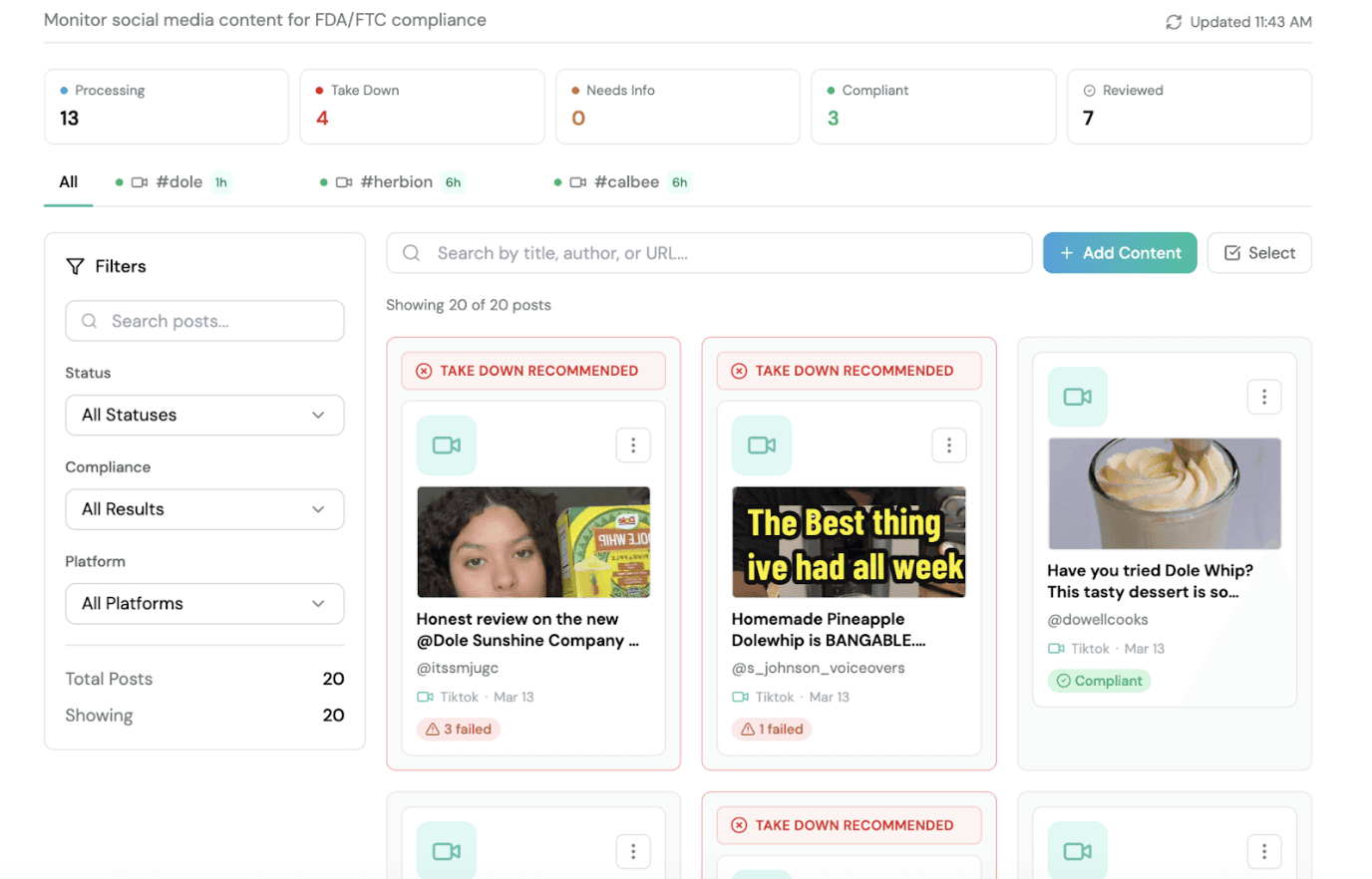
Truli's AI agents scan your gummy and edible labels, packaging, website, and social content against FDA and FTC requirements plus the state cannabinoid rules that apply today, citing the specific regulation behind every finding. Audit the whole catalog now, so reformulation and sell-through decisions rest on facts instead of guesses. Book a demo.
A note from Truli: Truli is not a law firm, and this article does not constitute or contain legal advice or create an attorney-client relationship. When determining your obligations and compliance with respect to relevant laws and regulations, you should consult a licensed attorney.
About

Truli is an AI compliance platform for food, beverage, and supplement brands. Automate FDA/FTC label reviews, claims validation, and post-market monitoring — 10x faster.

Platform
See Truli in action
If regulatory delays are consuming months and thousands in fees, see how Truli delivers fast and continuous compliance coverage at a fraction of the cost.
Book a demo