How to Get a COLA — TTB Label Approval Walkthrough
Before any beer, wine, or spirit crosses a state line, its label needs federal approval. The COLA process is free and fully online, but the order of operations trips up new brands constantly. Here is the walkthrough, start to finish.

Catherine Zhou
| Co-founder at Truli
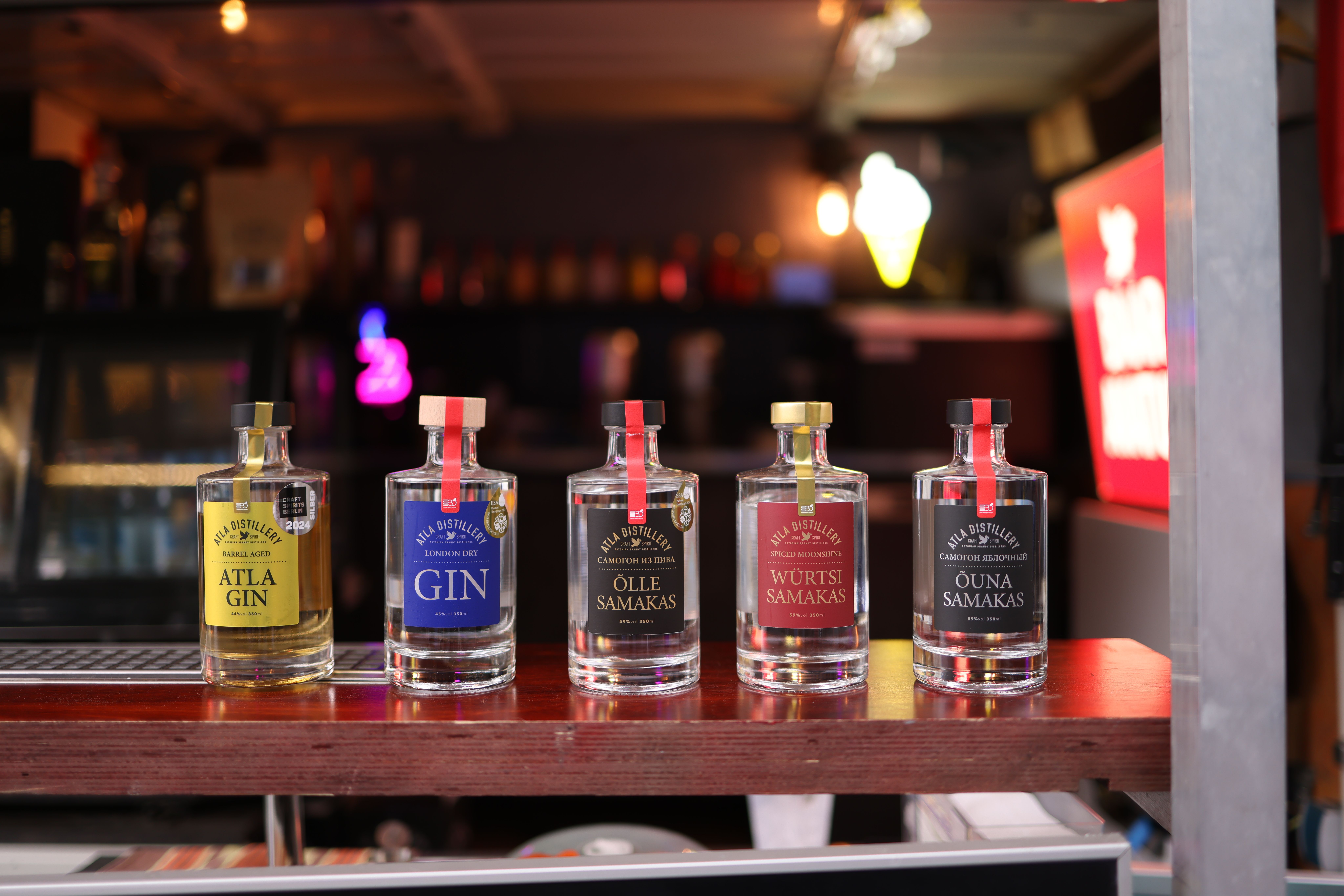
A Certificate of Label Approval (COLA) is TTB's sign-off that your label complies with federal labeling regulations. You apply on TTB Form 5100.31 through COLAs Online, and you need the approval in hand before you bottle domestic product or remove imported product from customs custody. The application itself is free.
This post is the how-to. If you want the list of reasons TTB bounces applications, read our companion piece on why TTB rejects alcohol labels.
Who needs a COLA
The short answer: anyone bottling or importing wine, distilled spirits, or malt beverages for sale in interstate commerce. The Federal Alcohol Administration Act puts label approval on the bottler or importer — not the brand owner — so if a contract facility bottles your product, the COLA is filed under their basic permit or brewer's notice.
Coverage follows commodity definitions, not marketing categories:
Wine means wine at 7 to 24 percent alcohol by volume (27 CFR 4.6). Below 7 percent, labeling shifts to FDA.
Distilled spirits are covered at any strength under 27 CFR Part 5.
Malt beverages must be fermented from malted barley with hops under 27 CFR Part 7. A sugar-based hard seltzer is not a malt beverage and gets FDA labeling instead — see our guide to TTB versus FDA jurisdiction.
Step zero — check whether you need formula approval first
Many products need an approved formula before TTB will even look at the COLA. Standard products made by traditional methods — a straight bourbon, a varietal Cabernet, a plain IPA — usually skip this step. Products with added flavors, colors, or nontraditional ingredients or processes usually do not: flavored spirits, ready-to-drink cocktails, flavored malt beverages, many wine specialties, and sake all typically require formula approval through Formulas Online.
Submitting a COLA before the formula is approved is the most expensive sequencing mistake in this process. TTB reviews the COLA against the formula, so filing them out of order buys you a rejection and a restart. When in doubt, check TTB's pre-COLA product evaluation guidance for your commodity before you file anything.
The walkthrough
1. Get your permit and register for COLAs Online
You need an approved basic permit (or brewer's notice for beer) from TTB before you can file. Then register for a COLAs Online account tied to that permit. Registration approval typically takes a few days; do it before launch week, not during it.
2. Prepare your label files
Upload complete, legible artwork for every label on the container — front, back, neck, and strip labels. The images must show the label as it will actually print, at actual dimensions. TTB reviews what you upload, so a placeholder ABV or a low-resolution export becomes your approved label or your rejection.
3. File TTB Form 5100.31 electronically
The application asks for your permit number, product class and type, formula number if applicable, net contents, alcohol content, and the label images. Accuracy matters more than speed: the name and address on the label must match your permit exactly, and the class and type must match your formula.
4. Track status and respond fast
COLAs Online shows application status 24/7. If TTB flags a correction, respond promptly — a Treasury Inspector General audit found correction resubmissions inflate TTB's review workload by as much as 45 percent, and every round trip resets your place in line.
How long it takes
TTB publishes median processing times and updates them regularly. As of mid-August 2026, medians are roughly 1 day for malt beverages, 4 days for wine, and 6 days for distilled spirits, against a service goal of processing 85 percent of applications within 15 days. Those are medians for clean applications: specialty products needing formula review, or anything that draws a correction, can stretch to weeks. Budget the full 15-day window plus formula lead time into any launch plan.
Exemptions — when you don't need a COLA
If your product never leaves the state where it was bottled, the federal requirements relax:
Product | Sold interstate | Sold only in bottling state |
|---|---|---|
Wine (7–24% ABV) | COLA required | Certificate of exemption |
Distilled spirits | COLA required | Certificate of exemption |
Malt beverages | COLA required | No federal approval needed |
For wine and spirits, the intrastate path is a certificate of exemption from label approval, filed on the same Form 5100.31 before bottling. The trade-off is printed on the label: exempted products must state "For sale in [state] only." Malt beverages sold purely intrastate need neither a COLA nor an exemption. One thing no path exempts: the Government Warning under 27 CFR Part 16 is required either way, and TTB checks it on exemption applications too.
State rules are a separate layer. Most states require their own brand or label registration before you can sell there, COLA or not.
Mistakes that cost brands the most time
Filing the COLA before formula approval. Sequencing, not artwork, is the top self-inflicted delay for flavored and specialty products.
Name and address mismatches. The bottler's name and address on the label must match the permit exactly.
Class and type designations TTB doesn't recognize. Especially common for RTDs and crossover products.
Government Warning typography errors. Fixed wording, bold rules, and minimum type sizes — covered in depth in our rejection-reasons post.
Refiling for changes that don't need it. TTB maintains a list of allowable revisions — things like updating a vintage date or repositioning approved text — that you can make without a new COLA. Check it before you rejoin the queue.
One thing to watch
TTB's proposed Alcohol Facts rule would add a mandatory per-serving alcohol and nutrition panel to every label, triggering a new COLA for effectively every SKU when it finalizes. We cover the proposal, timeline, and how to prepare in our Alcohol Facts rule breakdown. If you are designing labels now, leave room.
Pass COLA review before you file
Truli's AI agents check your label the way a TTB reviewer will — mandatory statements, class and type, alcohol content format, and Government Warning typography against the current text of 27 CFR parts 4, 5, 7, and 16, with the specific rule cited for every finding. Catch the rejection before you submit, and file once. Book a demo to see it on your label.
A note from Truli: Truli is not a law firm, and this article does not constitute or contain legal advice or create an attorney-client relationship. When determining your obligations and compliance with respect to relevant laws and regulations, you should consult a licensed attorney.
About

Truli is an AI compliance platform for food, beverage, and supplement brands. Automate FDA/FTC label reviews, claims validation, and post-market monitoring — 10x faster.

Platform
See Truli in action
If regulatory delays are consuming months and thousands in fees, see how Truli delivers fast and continuous compliance coverage at a fraction of the cost.
Book a demo