CBD in Cosmetics vs Supplements — Where FDA Draws the Line
CBD brands keep asking the wrong question: how do I make my supplement claims safer? The better question is whether the product should be a supplement at all. FDA's position makes CBD supplements and foods structurally illegal, while CBD cosmetics sit on comparatively solid ground, provided the label never crosses into drug territory and the brand keeps up with MoCRA.

Michael Wu
| Co-founder at Truli
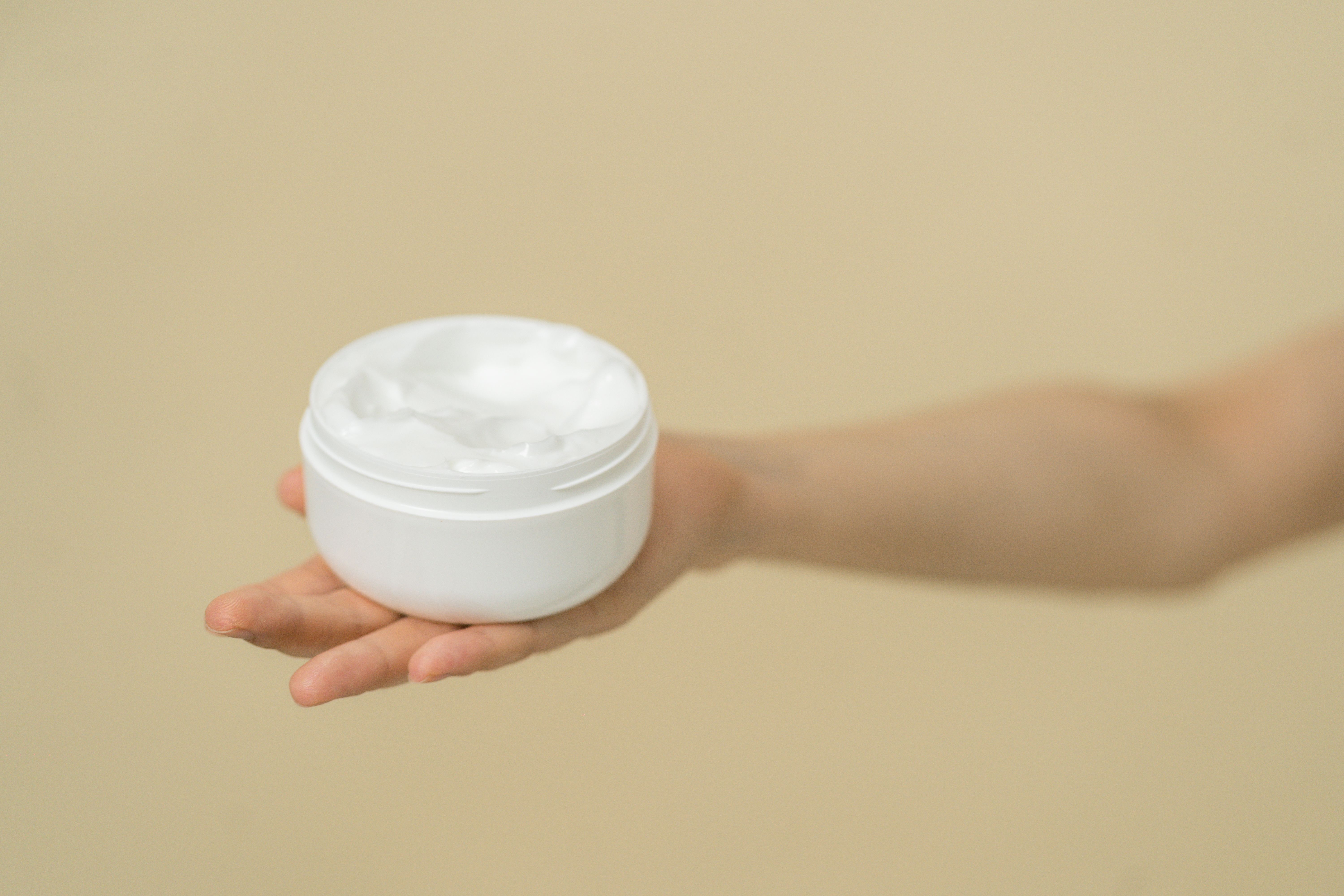
The same CBD extract can go into a tincture you swallow or a cream you rub on your skin, and the regulatory outcomes could not be more different. FDA's long-held position makes the ingestible product unlawful by definition, no matter how careful the claims are. The topical product is lawful to sell, with no premarket approval, as long as the label stays on the cosmetic side of a line FDA polices aggressively. Understanding where that line sits, and what the Modernization of Cosmetics Regulation Act (MoCRA) now requires, is the difference between a durable CBD product and a warning letter.
The Drug Exclusion Clause Blocks Supplements and Food
CBD cannot lawfully be a dietary supplement or a food additive under current federal law. The reason is the drug exclusion clause: under 21 U.S.C. 321(ff)(3)(B), a substance cannot be marketed as a dietary supplement if it was first authorized for investigation as a new drug and substantial clinical trials were made public. CBD was studied and then approved as the prescription drug Epidiolex in 2018, and FDA has consistently concluded CBD was not marketed in food or supplements before those trials began.
FDA reaffirmed this in January 2023, denying three citizen petitions and stating that existing food and supplement pathways are not appropriate for CBD, while asking Congress to create a new one. As of 2026, Congress has not acted. That means every CBD gummy, tincture, and softgel positioned as a supplement carries ingredient-level illegality before a single claim is evaluated. We cover the claim side of that exposure in our post on CBD and hemp supplement claims.
Why Cosmetics Are the Workable Category
The drug exclusion clause applies to supplements and food. It does not apply to cosmetics. A cosmetic is defined by intended use: an article applied to the body for cleansing, beautifying, promoting attractiveness, or altering appearance. Cosmetics need no FDA premarket approval, and CBD is not on the short list of ingredients prohibited or restricted in cosmetics by regulation.
That makes topicals the one CBD category with a comparatively clear federal path. It is not a free pass. The product must be safe under intended conditions of use, ingredients must be declared under 21 CFR 701.3, and the label must not be false or misleading under 21 CFR 701.1. Most importantly, the marketing must never assign the product a drug purpose.
MoCRA Now Applies to Your CBD Topical
MoCRA gave FDA its first real regulatory infrastructure for cosmetics in 85 years, and CBD cosmetics get no exemption. FDA has been enforcing the core submission requirements since July 1, 2024, and expanded its Cosmetics Direct portal in February 2026 to handle the first wave of biennial renewals. The obligations that matter most for a CBD topical brand:
Facility registration. Every facility that manufactures or processes the product registers with FDA (Form FDA 5066) and renews every two years.
Product listing. The responsible person lists each product (Form FDA 5067), including the full ingredient declaration, and updates it annually.
Adverse event reporting. Serious adverse events must be reported to FDA within 15 business days, and the label must carry a U.S. address, phone number, or electronic contact for receiving reports.
Safety substantiation. The responsible person must hold adequate evidence that the product is safe, which for CBD means dermal safety data you can actually produce on request.
Many CBD topical brands entered through the hemp door and never built cosmetic compliance habits. If your facility is unregistered or your listings are stale, you are out of compliance with requirements FDA is actively administering, before any cannabinoid question even comes up. MoCRA does include a small-business exemption from registration and listing for companies under roughly one million dollars in average annual cosmetic sales, but the adverse event, safety substantiation, and labeling duties apply to everyone, so the exemption narrows the paperwork without shrinking the substantive obligations.
The Claim Line: Cosmetic or Drug
Intended use is determined by your claims, and one drug claim converts the entire product into an unapproved new drug. The test is whether the language promises to affect the structure or function of the body or to treat, mitigate, or prevent disease, versus describing appearance and superficial effect.
Claim on a CBD topical | Category | Why |
|---|---|---|
"Moisturizes and hydrates dry skin" | Cosmetic | Appearance and surface effect |
"Soothes the look of redness" | Cosmetic | Framed to appearance, not condition |
"Treats eczema and psoriasis" | Drug | Named diseases |
"Clears acne" | Drug | Acne treatment is an OTC drug category |
"Relieves joint and muscle pain" | Drug | Treats a symptom, affects body function |
"Anti-inflammatory relief" | Drug | Pharmacological action claim |
FDA reads your whole marketing footprint, not just the jar
Warning letters to CBD topical companies consistently quote websites, product FAQs, blog posts, testimonials, and social media captions as evidence of intended use. A perfectly clean label does not protect a product whose Instagram caption promises pain relief, and customer-review snippets a brand republishes count as the brand's own claims. Every channel has to hold the cosmetic line at once.
How to Position a Compliant CBD Cosmetic
State the answer plainly: sell appearance, never therapy. Build claims from cosmetic vocabulary, keep CBD quantities and COA references factual rather than dose-like, and avoid borrowing the wellness language of your ingestible competitors. Train whoever writes social captions and answers customer questions, because "does it help arthritis?" answered with "many customers say yes" is a drug claim in FDA's eyes. Then keep the MoCRA plumbing current: registration renewals, annual listing updates, and an adverse-event intake channel that actually works.
Keep every CBD claim on the right side of the line
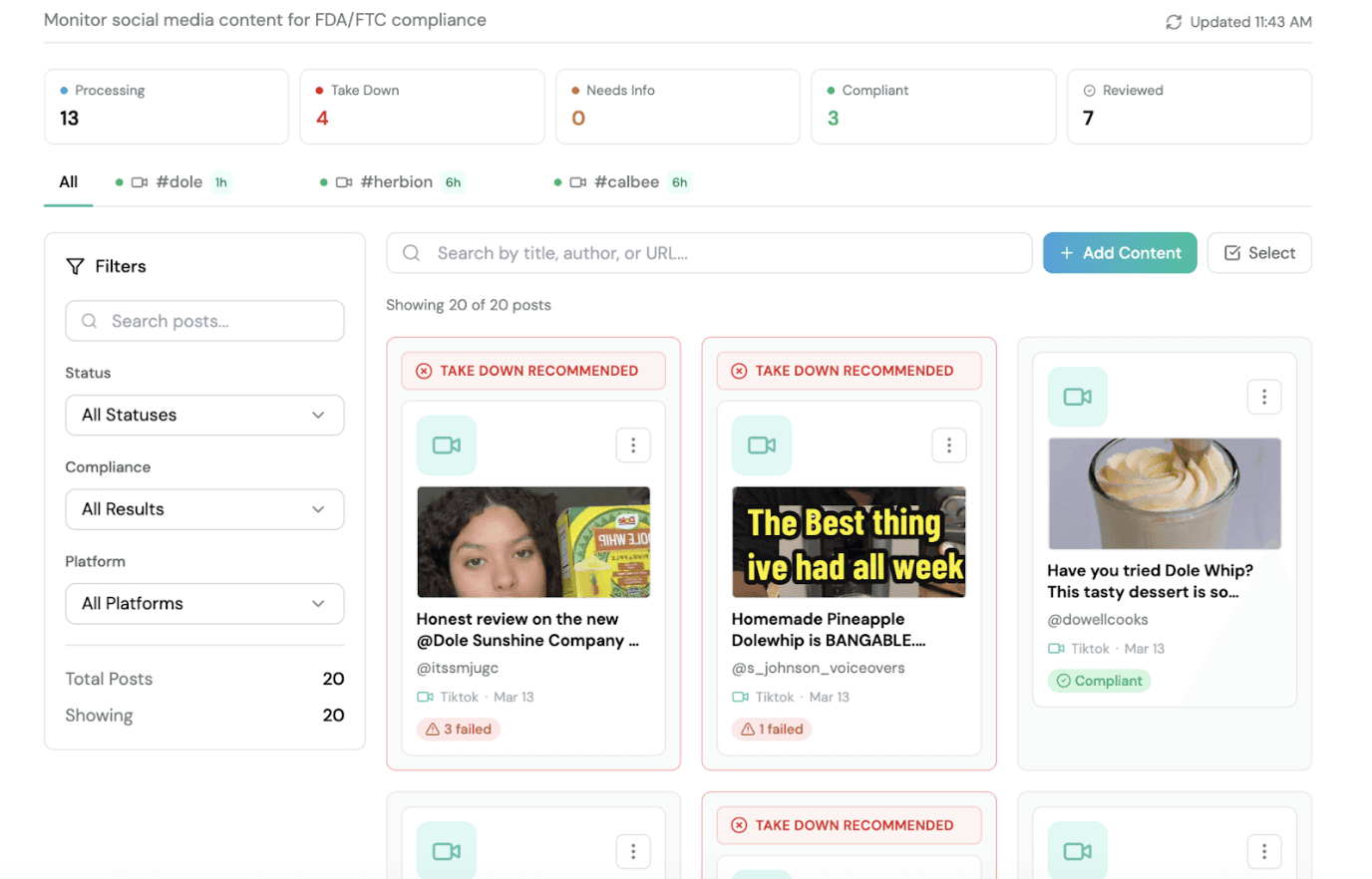
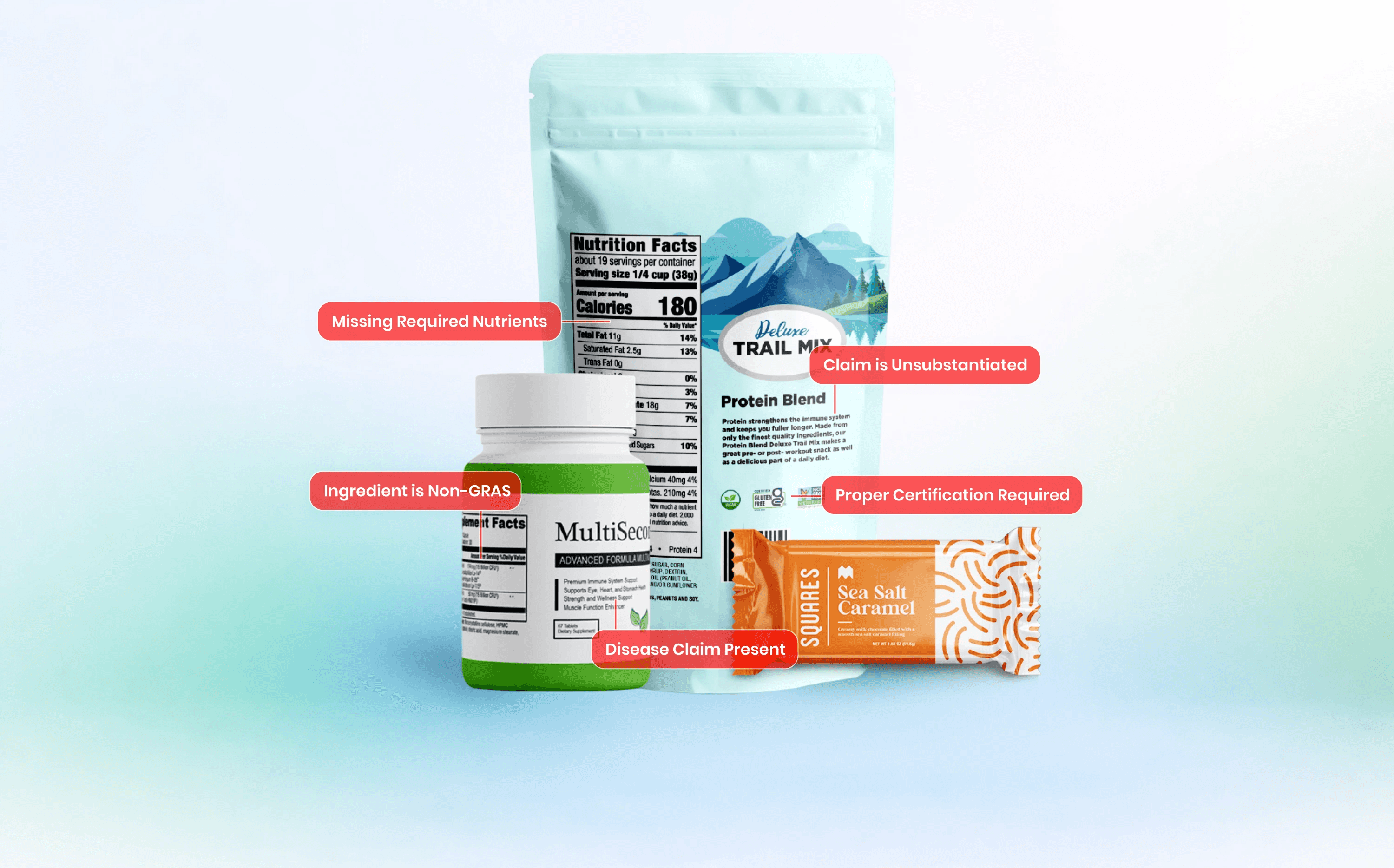
Truli's AI agents scan your labels, packaging, website, and social content against FDA cosmetic and drug-claim rules, MoCRA labeling requirements, and FTC standards, citing the specific regulation for every finding. Catch the eczema claim in a product review reply before FDA does. Book a demo.
A note from Truli: Truli is not a law firm, and this article does not constitute or contain legal advice or create an attorney-client relationship. When determining your obligations and compliance with respect to relevant laws and regulations, you should consult a licensed attorney.
About

Truli is an AI compliance platform for food, beverage, and supplement brands. Automate FDA/FTC label reviews, claims validation, and post-market monitoring — 10x faster.

Platform
See Truli in action
If regulatory delays are consuming months and thousands in fees, see how Truli delivers fast and continuous compliance coverage at a fraction of the cost.
Book a demo