Adverse Event Reporting for Dietary Supplements - What Brands Are Required to Report
Adverse event reporting is a mandatory compliance obligation for dietary supplement brands that is frequently overlooked in the focus on label claims and ingredient compliance. The Dietary Supplement and Nonprescription Drug Consumer Protection Act of 2006 requires manufacturers, packers, and distributors to report serious adverse events associated with their products to FDA — and to maintain records of all adverse events, serious or not, for six years.

Michael Wu
| Co-founder at Truli

Adverse event reporting for dietary supplements was established by the Dietary Supplement and Nonprescription Drug Consumer Protection Act (Pub. L. 109-462), which amended DSHEA in 2006. The requirements are codified at 21 U.S.C. 379aa-1 and implemented in 21 CFR Part 111. Understanding what triggers a report, the timeline for mandatory reporting, and recordkeeping requirements is essential compliance knowledge for every supplement brand.
What Counts as a Serious Adverse Event
Under 21 U.S.C. 379aa-1(a)(2), a "serious adverse event" is any adverse event that:
Results in death
Is life-threatening
Results in inpatient hospitalization
Results in a persistent or significant disability or incapacity
Results in a congenital anomaly or birth defect
Requires medical or surgical intervention to prevent one of the above outcomes
"Adverse event" is defined as any health-related event associated with the use of a dietary supplement that is adverse — a negative outcome. Not all adverse events are serious. Only serious adverse events trigger the mandatory 15-day reporting requirement.
The 15-Day Mandatory Reporting Window
Under 21 U.S.C. 379aa-1(b), manufacturers, packers, and distributors must submit a report to FDA within 15 business days of receiving information about a serious adverse event. The report is submitted on MedWatch Form 3500A.
The 15-day clock starts when the responsible party first receives information that would reasonably be considered a report of a serious adverse event — from a consumer, healthcare provider, retailer, distributor, or any other source. Brands cannot delay the clock by taking time to investigate or verify the report before submitting.
Reports are submitted electronically through FDA's MedWatch portal or by mail. FDA uses serious adverse event reports to monitor for emerging safety signals and can take enforcement action if patterns emerge suggesting a product poses a significant safety risk.
The Six-Year Recordkeeping Requirement
Under 21 U.S.C. 379aa-1(c), companies must maintain records of all adverse events — not just serious ones — for six years. These records must include:
The adverse event report itself (in whatever form received — email, phone call, written complaint)
Any follow-up information obtained
The MedWatch submission for serious adverse events
Documentation of when the report was received
FDA may inspect these records during facility inspections. Records must be available for inspection and copying by authorized FDA personnel.
Contact Information on Labels
The 2006 act also requires that supplement labels include a domestic address or domestic phone number through which a responsible party can receive serious adverse event reports. This is a label requirement under 21 U.S.C. 379aa-1(b)(4) — a domestic contact must appear on the label.
Brands without a U.S. address on their label are non-compliant with this requirement regardless of where they are incorporated or where their manufacturing occurs.
What Triggers a Report in Practice
Common adverse event scenarios that may trigger the 15-day reporting obligation:
A consumer emails or calls reporting hospitalization after using a product
A retailer reports a customer complaint involving a serious health event
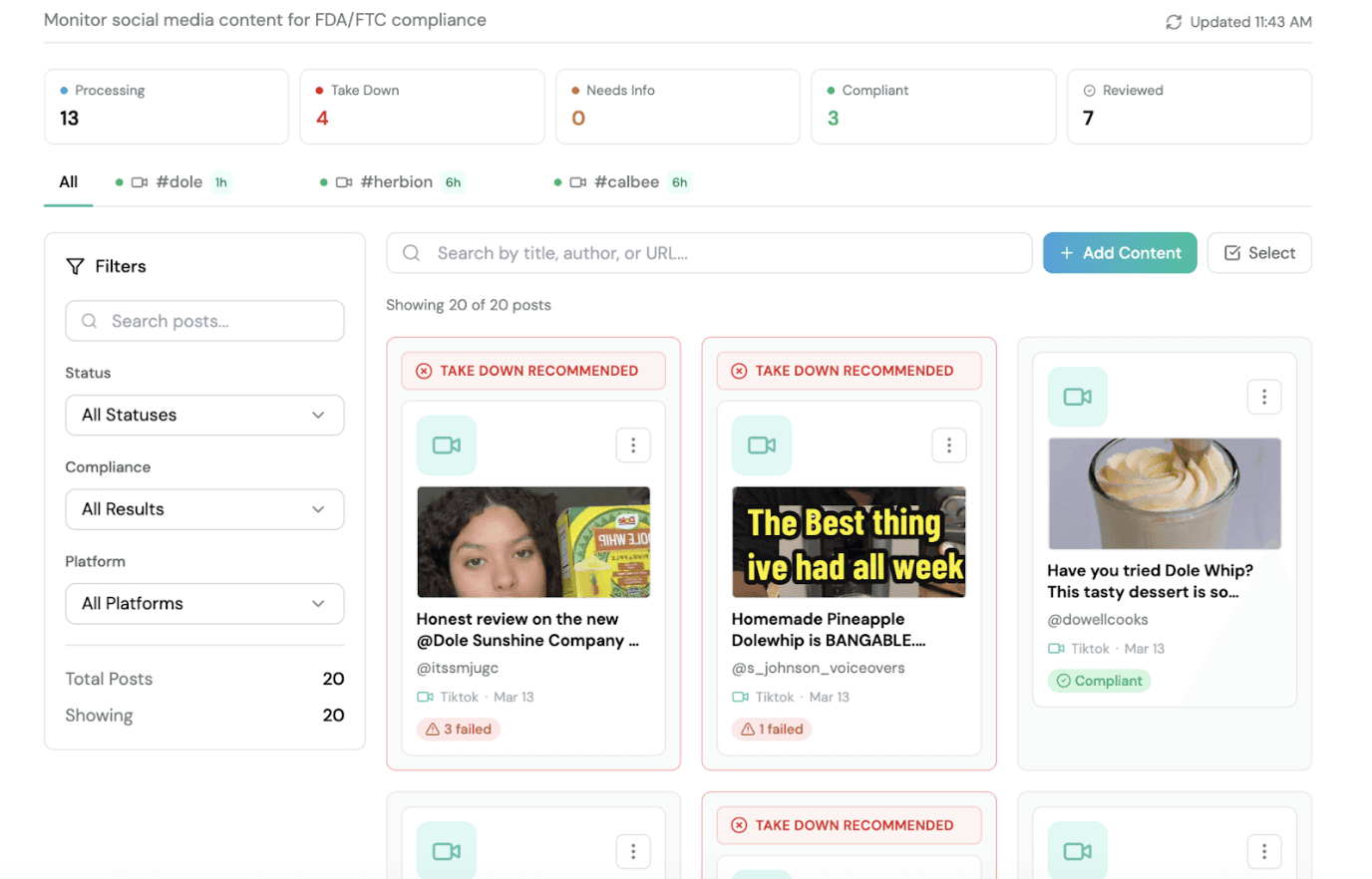
A social media comment describes a serious health outcome associated with the product
A healthcare provider contacts the brand about a patient's adverse reaction
A lawyer sends a demand letter describing a serious health outcome
The reporting obligation applies to all of these — not just formal written complaints. Brands need a system for capturing, tracking, and escalating adverse event reports received through any channel.
Voluntary Reporting vs. Mandatory Reporting
Non-serious adverse events are not subject to mandatory reporting but must be recorded and maintained for six years. FDA also accepts voluntary MedWatch reports for non-serious events, and patterns in voluntary reports can inform FDA's safety monitoring.
Healthcare providers, consumers, and others can also submit voluntary reports directly to FDA — meaning FDA may have reports about your product that you haven't received directly.
Adverse event reporting is a compliance system, not just a form
Truli helps supplement brands build the operational systems behind adverse event compliance — tracking consumer communications for adverse event triggers, flagging potential serious adverse events for 15-day reporting, and maintaining the documentation required for six-year recordkeeping obligations under 21 U.S.C. 379aa-1.
A note from Truli: Truli is not a law firm, and this article does not constitute or contain legal advice or create an attorney-client relationship. When determining your obligations and compliance with respect to relevant laws and regulations, you should consult a licensed attorney.
About

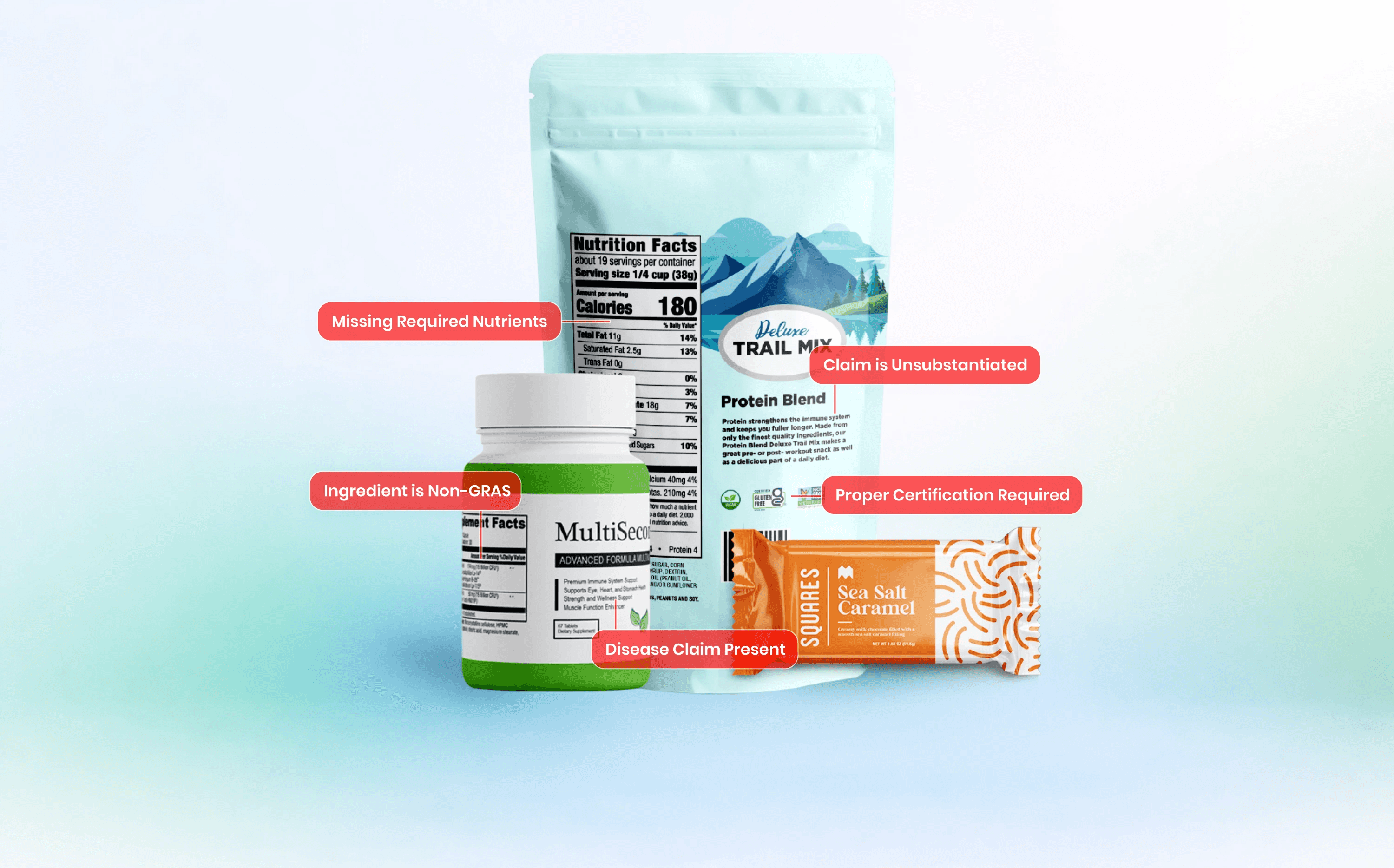
Truli is an AI compliance platform for food, beverage, and supplement brands. Automate FDA/FTC label reviews, claims validation, and post-market monitoring — 10x faster.


Platform
See Truli in action
If regulatory delays are consuming months and thousands in fees, see how Truli delivers fast and continuous compliance coverage at a fraction of the cost.
Book a demo