FDA Structure/Function Claims for Dietary Supplements — Requirements and Limits
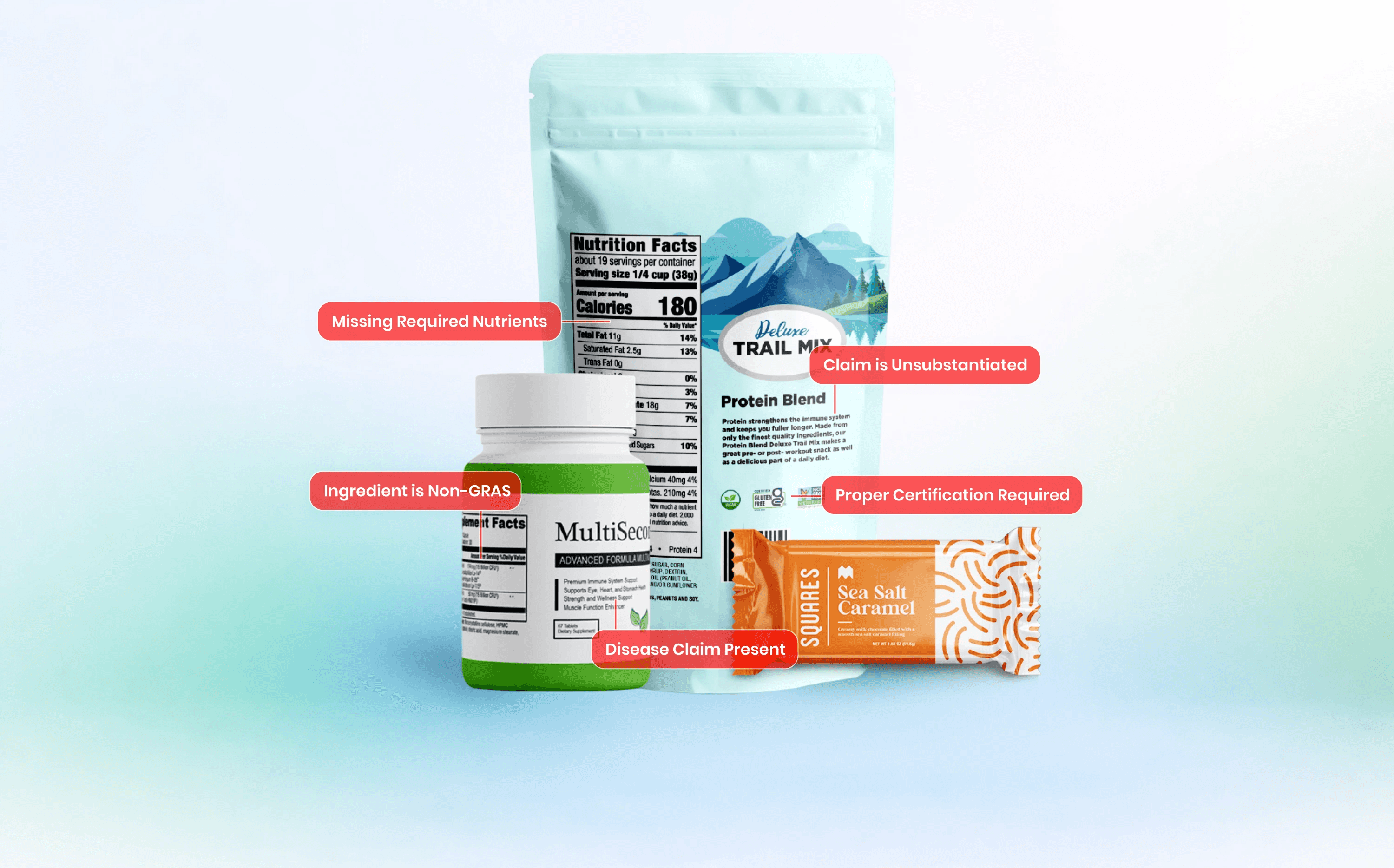
Structure/function claims describe how a dietary supplement ingredient affects normal body structures or functions — they do not claim to diagnose, cure, treat, or prevent any disease. Under DSHEA, these claims are permitted on dietary supplements, but must meet three requirements: the claim must be truthful and not misleading, the manufacturer must have substantiation, and the label must carry a specific FDA disclaimer. Getting this right is one of the most important — and most frequently violated — areas of supplement compliance.

Catherine Zhou
| Co-founder at Truli
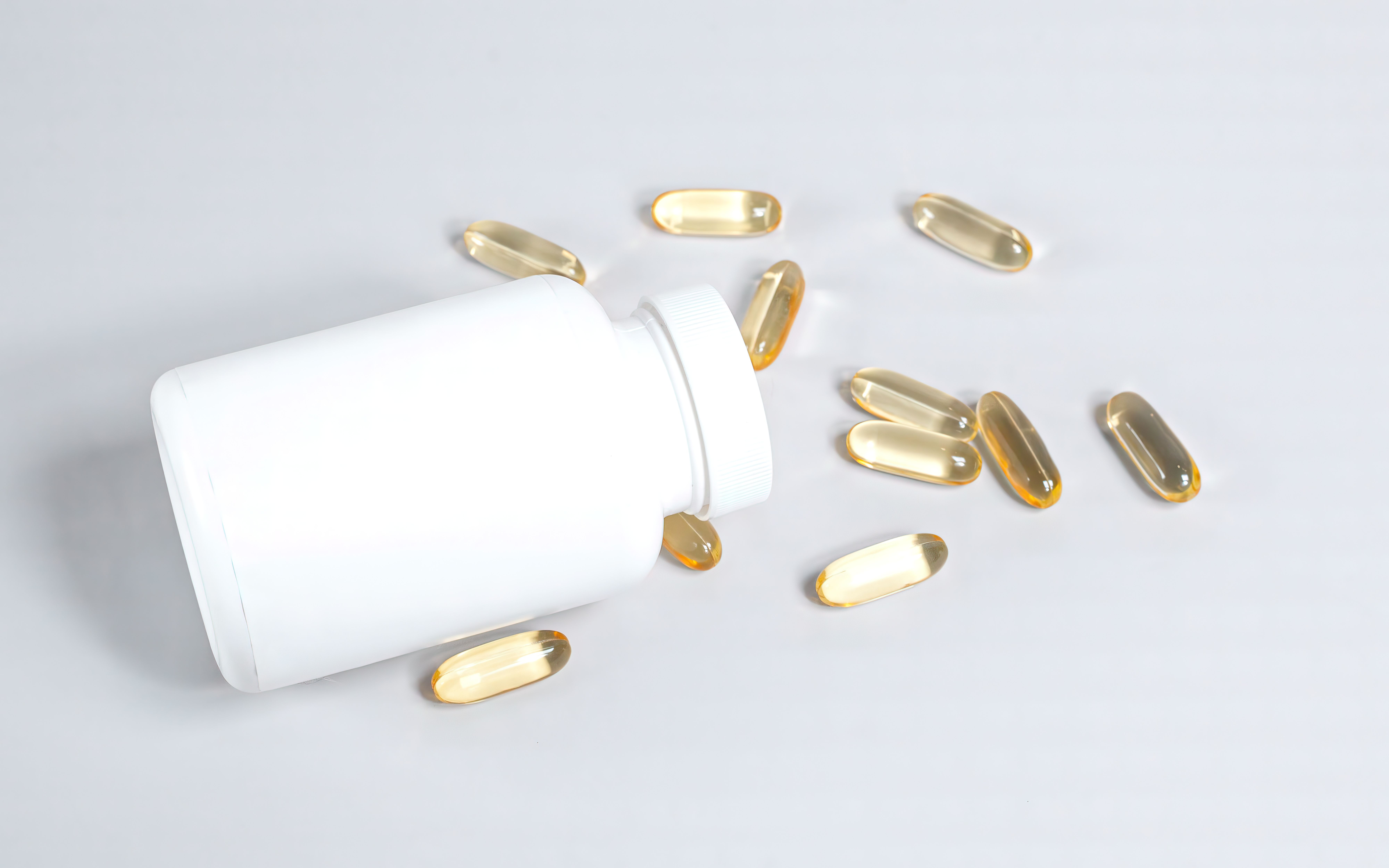
Under the Dietary Supplement Health and Education Act of 1994 (DSHEA), dietary supplement manufacturers may make structure/function claims — statements describing the role of a dietary ingredient in affecting normal body structure or function, or general well-being. These claims are permitted without FDA pre-approval, but they come with three mandatory requirements and a critical prohibition against crossing into disease claim territory.
The regulatory framework for structure/function claims on dietary supplements is found at 21 CFR 101.93 and FDA's final rule published at 65 Fed. Reg. 1000 (January 6, 2000).
What Is a Structure/Function Claim
A structure/function claim characterizes the role of a dietary ingredient in:
Maintaining normal structure — e.g., "Calcium builds strong bones"
Supporting normal function — e.g., "Vitamin C supports immune function"
General well-being — e.g., "Promotes a sense of calm and relaxation"
Deficiency disease — describing a nutrient deficiency disease, with a disclosure that the disease is rare in the US — e.g., "Vitamin C prevents scurvy" (with required disclosure)
Structure/function claims must describe effects on normal, healthy structure or function. They cannot claim to affect a disease or the symptoms, signs, or progression of a disease.
The Three Requirements for Structure/Function Claims
Under 21 U.S.C. 343(r)(6) and 21 CFR 101.93:
1. The Claim Must Be Truthful and Not Misleading
The statement must accurately describe the effect of the ingredient. A structure/function claim that is false or misleading constitutes misbranding under 21 U.S.C. 343(a).
2. The Manufacturer Must Have Substantiation
The manufacturer must have substantiation that the claim is truthful and not misleading before making the claim. FDA has not defined the precise substantiation standard for structure/function claims as specifically as the FTC has for advertising claims, but the standard is competent and reliable scientific evidence consistent with the nature and scope of the claim.
3. The Label Must Bear the FDA Disclaimer
The Supplement Facts panel or label must include the following disclaimer, displayed prominently and conspicuously, immediately adjacent to each structure/function claim or in a box set off from the text:
"This statement has not been evaluated by the Food and Drug Administration. This product is not intended to diagnose, treat, cure, or prevent any disease."
The disclaimer must appear in boldface type and must be at least as large as the surrounding text, with at least one-sixteenth inch space from the closest printed matter. FDA regulations specify that it cannot appear smaller than the claim itself.
The 30-Day Notification Requirement
Under 21 CFR 101.93(a), within 30 days after first marketing a dietary supplement with a structure/function claim, the manufacturer must notify FDA in writing that:
A structure/function claim is being made
The text of the claim
The name of the product and the manufacturer/distributor
This is a post-market notification — the manufacturer does not need FDA approval before marketing, but FDA must be notified within 30 days of first use of the claim. Failure to submit the notification is a labeling violation, though FDA enforcement priority has historically focused on substantiation and the disease claim boundary rather than notification failures.
The Disease Claim Boundary
The most consequential compliance question for supplement brands is the line between a permissible structure/function claim and a prohibited disease claim. A disease claim — one that claims a product treats, prevents, cures, or mitigates a disease or condition — converts a dietary supplement into a drug requiring FDA approval.
Under FDA's final rule (65 Fed. Reg. 1000), a claim is a disease claim if it:
Names a specific disease or class of diseases
Describes the mitigation, treatment, cure, or prevention of a disease
Implies a product is intended for use as a drug (e.g., by referencing a disease's symptoms or by using drug terminology)
Uses a product name that implies disease treatment
FDA has published guidance on the structure/function vs. disease claim boundary, including specific language comparisons:
Permissible Structure/Function | Prohibited Disease Claim |
|---|---|
"Supports cardiovascular health" | "Reduces risk of heart disease" |
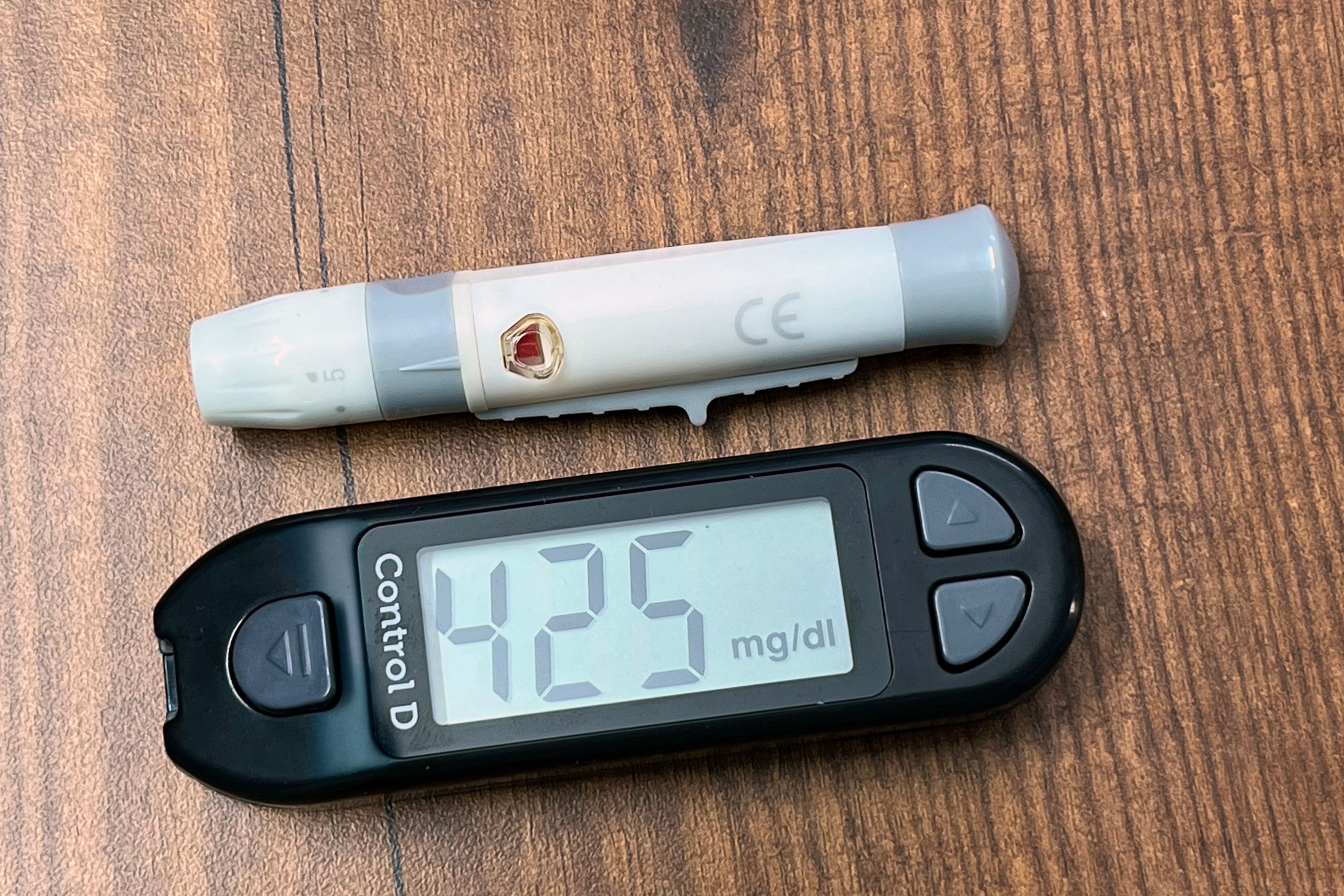
"Helps maintain healthy blood sugar levels already in normal range" | "Treats diabetes" |
"Supports immune function" | "Prevents colds and flu" |
"Promotes joint comfort" | "Treats arthritis" |
"Supports healthy mood" | "Treats depression" |
"Helps maintain normal cholesterol levels already within the normal range" | "Lowers cholesterol" |
The qualifier "already within the normal range" is critical for metabolic claims. Claiming to support levels "already in the normal range" limits the claim to healthy individuals and avoids implying treatment of abnormal conditions.
Social Media, Advertising, and the Full Product Context
FDA evaluates structure/function claims in the context of the entire product — including its name, labeling, advertising, and the context in which it is sold. A supplement product named "CancerShield" that makes only a structure/function claim on its label still faces disease claim enforcement because the product name itself implies disease treatment.
Similarly, customer testimonials in advertising that make disease claims (e.g., "This supplement cured my arthritis!") can be attributed to the manufacturer and convert the product's structure/function claims into disease claims in the eyes of FDA and FTC.
Conventional Food vs. Supplement Structure/Function Claims
Structure/function claims are also permitted on conventional foods under a slightly different regulatory framework. For conventional foods, the claim must be truthful and not misleading, but the FDA disclaimer is not required, and the 30-day notification requirement does not apply. The disease claim prohibition applies equally.
How Truli Helps with Structure/Function Claim Compliance
Claim classification: Truli evaluates label copy and advertising for language that crosses the structure/function / disease claim boundary
Disclaimer verification: Truli checks that FDA disclaimers are present, correctly formatted, and displayed on each labeled product
Substantiation gap review: Truli flags high-risk claims that are likely to require robust clinical substantiation
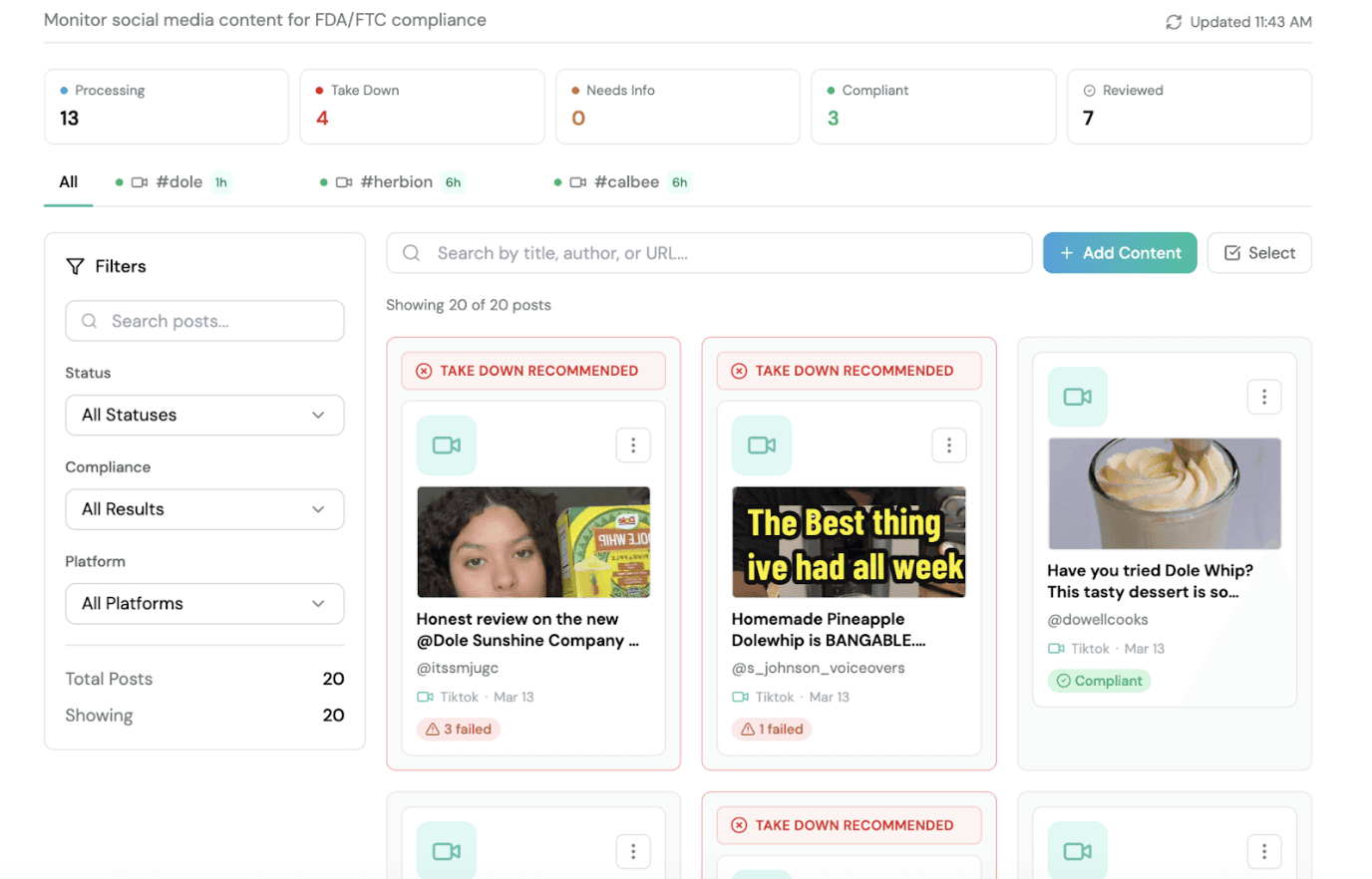
Social and advertising monitoring: Truli scans social media and website copy for disease claim language that could expose structure/function products to FDA and FTC enforcement
Related Regulations
DSHEA — The statutory foundation for structure/function claims on dietary supplements
21 CFR 101.93 — Structure/Function Claim Disclaimer — Detailed disclaimer formatting requirements
FTC Health Claims in Advertising — FTC's parallel substantiation requirements for advertising claims
21 CFR Part 101 — FDA food labeling requirements
Frequently Asked Questions
Does the FDA disclaimer need to appear on every page of my website?
Yes, if each page contains a structure/function claim. FDA and FTC treat website pages as advertising or labeling. Any webpage that makes a structure/function claim should include the FDA disclaimer adjacent to the claim.
Can I say my supplement "reduces inflammation"?
Possibly, but it depends on context. "Supports a healthy inflammatory response" is generally treated as a structure/function claim. "Reduces inflammation" or "treats inflammatory conditions" moves toward disease claim territory because inflammation is associated with specific diseases. FDA has issued warning letters targeting broad anti-inflammatory claim language.
If I have clinical studies supporting my claim, do I still need the FDA disclaimer?
Yes. The FDA disclaimer is required regardless of the quality of your substantiation. Having clinical studies supports the truthfulness of the claim and protects against FTC enforcement — but the disclaimer requirement is separate and mandatory.
A note from Truli: Truli is not a law firm, and this article does not constitute or contain legal advice or create an attorney-client relationship. When determining your obligations and compliance with respect to relevant laws and regulations, you should consult a licensed attorney.
Last updated: April 2026. FDA enforcement priorities for structure/function claims shift regularly — Truli monitors FDA warning letters and guidance affecting supplement brands. Book a demo to see how.
About

Truli is an AI compliance platform for food, beverage, and supplement brands. Automate FDA/FTC label reviews, claims validation, and post-market monitoring — 10x faster.

Platform
See Truli in action
If regulatory delays are consuming months and thousands in fees, see how Truli delivers fast and continuous compliance coverage at a fraction of the cost.