The FDA Drug-Supplement Boundary — When a Supplement Becomes a Drug
The line between a dietary supplement and a drug is not about dosage form or ingredients — it is about intended use. FDA classifies a product as a drug when it is intended to diagnose, cure, treat, mitigate, or prevent a disease. When a supplement brand crosses that line through label claims, advertising, product naming, or social media, the product becomes an unapproved new drug — and FDA enforcement follows.

Catherine Zhou
| Co-founder at Truli
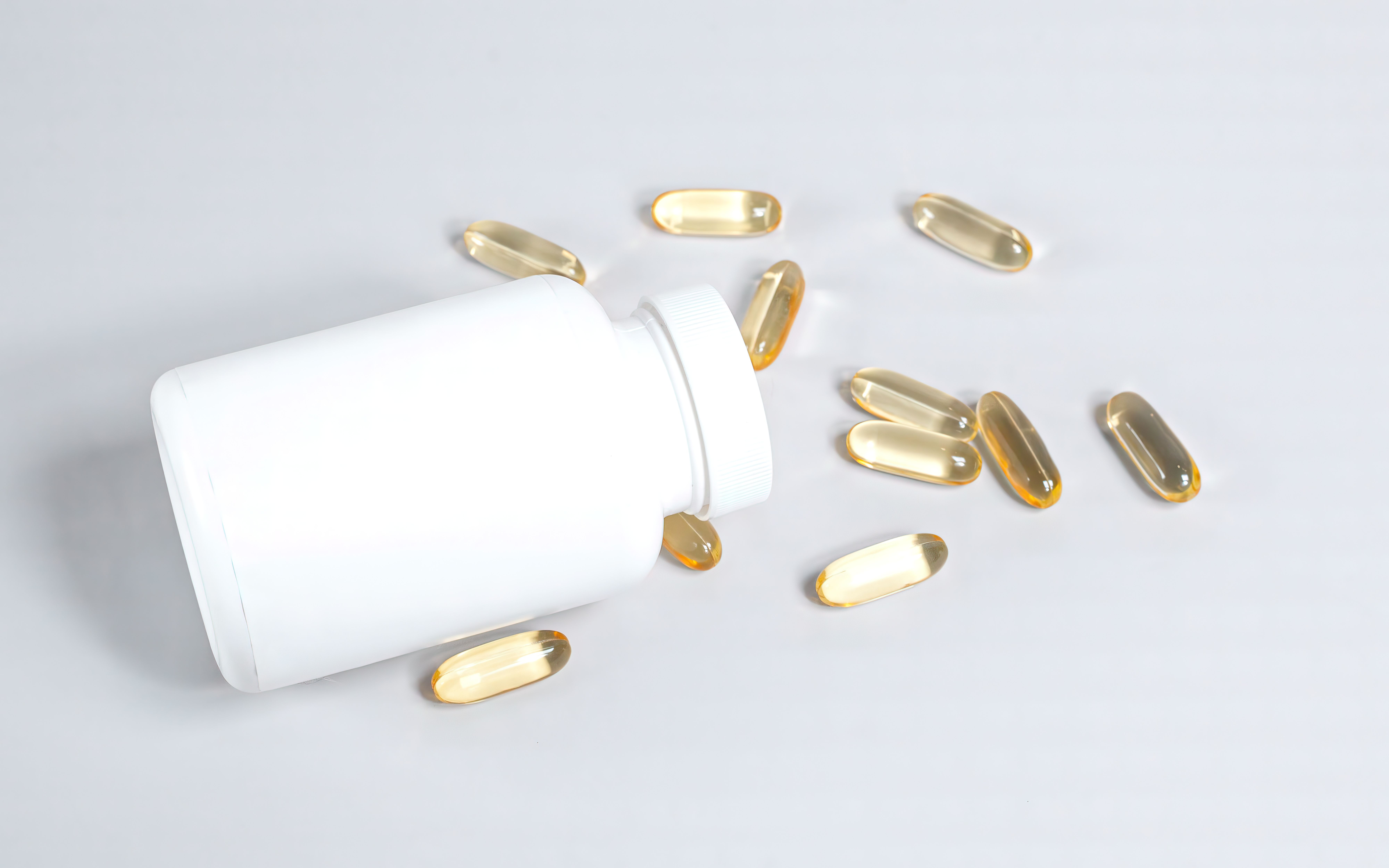
Under the Federal Food, Drug, and Cosmetic Act (FD&C Act), the classification of a product — dietary supplement vs. drug — is determined primarily by its intended use, not its physical form or ingredients. A product sold in capsule form with botanical ingredients may be a dietary supplement or an unapproved drug depending entirely on what the brand says about it.
This distinction matters enormously. Dietary supplements may be marketed without FDA pre-market approval under DSHEA. Drugs require FDA approval through the New Drug Application (NDA) or Abbreviated New Drug Application (ANDA) process — an expensive, years-long undertaking. An unapproved new drug is subject to immediate FDA enforcement action.
The Statutory Definitions
Dietary Supplement — 21 U.S.C. 321(ff)
A dietary supplement is a product taken by mouth that contains a "dietary ingredient" — vitamins, minerals, herbs or other botanicals, amino acids, or dietary substances — intended to supplement the diet. The product must be labeled as a dietary supplement and must not represent itself as a conventional food or a sole item of a meal.
Drug — 21 U.S.C. 321(g)(1)
A product is a drug if it is:
Recognized in the official United States Pharmacopoeia or National Formulary, or
Intended for use in the diagnosis, cure, mitigation, treatment, or prevention of disease, or
Intended to affect the structure or any function of the body (beyond dietary supplementation)
The critical phrase is "intended for use in the diagnosis, cure, mitigation, treatment, or prevention of disease." A product intended for those purposes — regardless of its ingredients or form — is a drug.
How FDA Determines "Intended Use"
FDA evaluates intended use based on the totality of circumstances — not just the label alone. Evidence of intended use includes:
Evidence Source | Examples |
|---|---|
Label claims | "Cures diabetes," "treats anxiety," "prevents cancer" |
Labeling claims | Pamphlets, inserts, brochures sold or distributed with the product |
Advertising | Website copy, social media posts, paid ads, Amazon listings |
Promotional materials | Emails, catalogs, pitch decks shown to retailers |
Brand/product name | "ArthrisFix," "CancerShield," "DiabetesCure" |
Symbols and imagery | Medical cross symbols, ECG lines, images of diseased tissue |
Testimonials and reviews | Customer reviews the brand highlights or amplifies |
Circumstances of sale | Distribution through channels normally associated with drugs |
Oral representations | Statements by sales representatives or customer service |
FDA does not need to find disease claims on the label if it finds them in advertising, social media, or sales materials. A product with a clean label but a disease claim on its Instagram page is still an unapproved drug.
The Structure/Function vs. Disease Claim Boundary
The most important practical guidance on this boundary is FDA's final rule at 65 Fed. Reg. 1000 (January 6, 2000), codified through 21 CFR 101.93. Under this framework:
Permissible structure/function claims describe effects on normal body structure or function:
"Supports healthy blood sugar levels already in the normal range"
"Promotes joint comfort and flexibility"
"Supports a calm, relaxed mood"
Prohibited disease claims describe effects on a disease or condition:
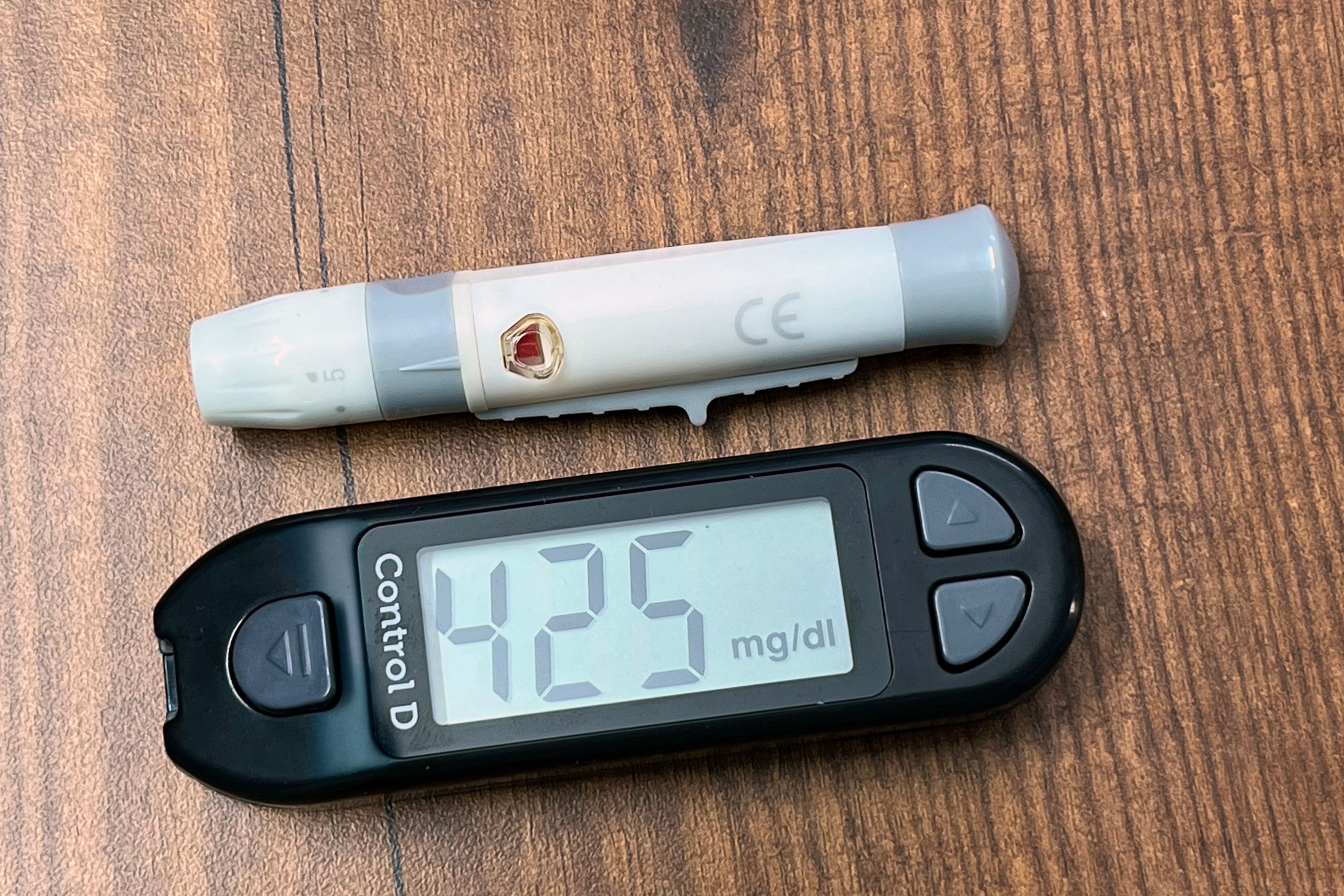
"Lowers blood sugar in diabetics"
"Treats arthritis"
"Reduces anxiety disorder symptoms"
The key distinctions FDA has drawn:
Structure/Function | Disease Claim |
|---|---|
Supports cardiovascular health | Reduces risk of heart disease |
Promotes joint comfort | Treats arthritis |
Supports healthy mood | Treats depression or anxiety |
Helps maintain normal cholesterol levels already within the normal range | Lowers cholesterol |
Supports immune function | Prevents colds and flu |
Supports healthy sleep | Treats insomnia |
Promotes healthy weight management | Treats obesity |
The qualifier "already within the normal range" is critical for metabolic claims — it limits the claim to healthy individuals and avoids the implication of treating an abnormal (disease) condition.
Product Names and Implied Disease Claims
FDA treats product names as part of the totality of circumstances for intended use. A product name that implies disease treatment can convert a supplement into a drug even if the label claims are otherwise permissible.
Examples that have drawn FDA scrutiny:
"Neuropathy Support Formula" — implies treatment of peripheral neuropathy, a disease
"Blood Pressure Health" — may imply treatment of hypertension (a disease) rather than normal blood pressure support
"Kidney Defense" — may imply treatment of kidney disease
Names containing terms like "cure," "heal," "fix," or specific disease names
The Drug Exclusion for Supplement Ingredients
A separate legal issue: under 21 U.S.C. 321(ff)(3)(B), an article cannot be a dietary supplement ingredient if it has been:
Authorized for investigation as a new drug (IND filed) before being marketed as a supplement, and
There has been substantial clinical investigation of that article that has been made public
This "drug exclusion" has been applied by FDA to exclude several ingredients from supplement status — most notably CBD (cannabidiol), which was the subject of substantial clinical investigation as a drug (Epidiolex) before widespread supplement marketing began. FDA's position has been that CBD cannot be a lawful dietary supplement ingredient due to this exclusion.
Consequences of Drug Misclassification
When FDA determines a supplement is an unapproved new drug:
Warning letters: FDA issues a public warning letter requiring the brand to stop making the disease claims or stop selling the product
Import refusals: Products imported into the US may be refused entry
Injunctions: FDA can seek court injunctions to stop manufacturing or distribution
Seizures: FDA can seize products it determines are illegal unapproved drugs
Criminal prosecution: In egregious cases involving fraud or serious consumer harm, FDA may refer for criminal prosecution by the Department of Justice
FDA warning letters for disease claims on supplements are published publicly on FDA's website. A warning letter is a significant reputational and commercial event — major retailers and distributors conduct their own monitoring of FDA warning letters and may delist a brand that receives one.
How Truli Helps with the Drug-Supplement Boundary
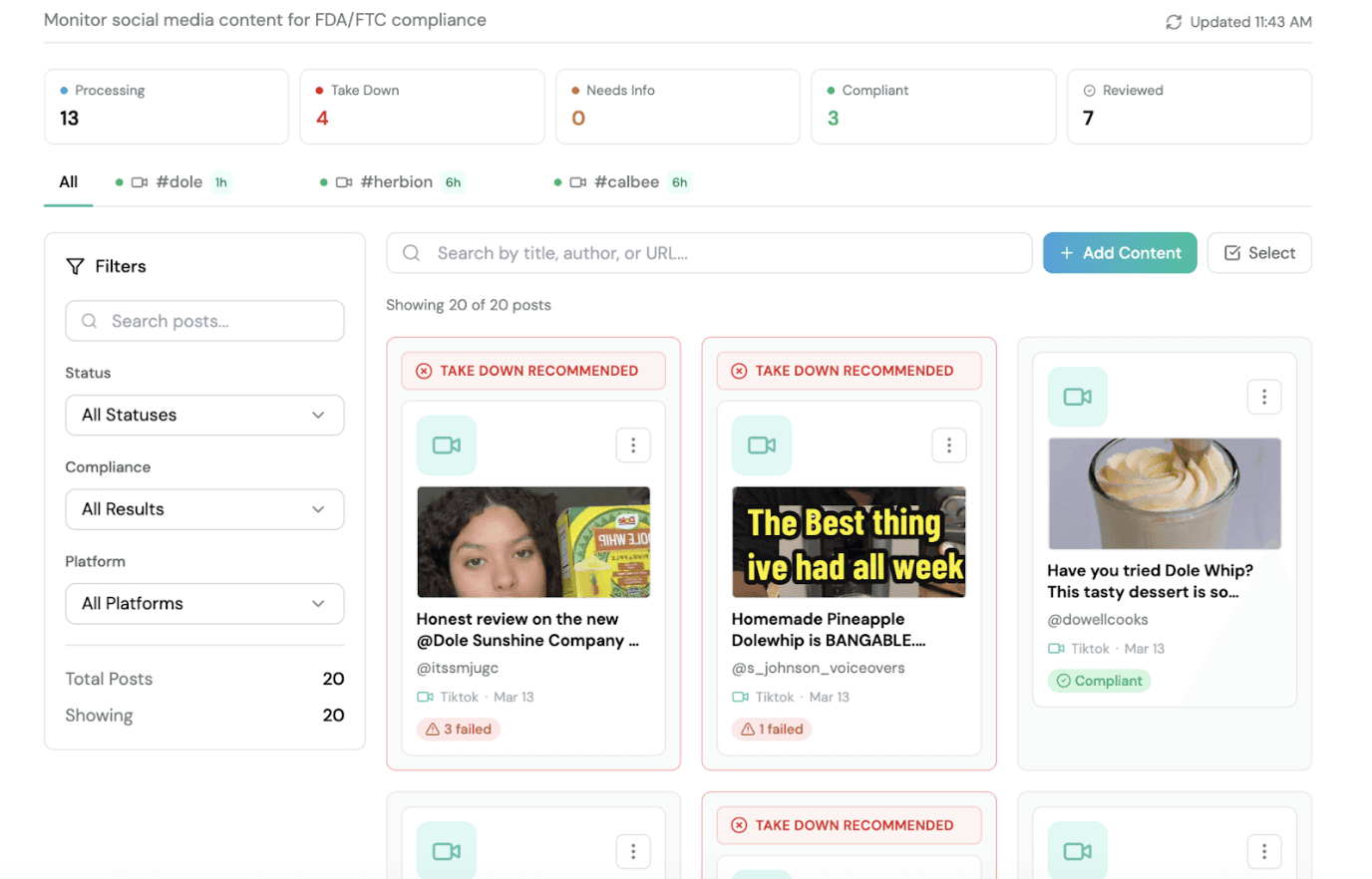
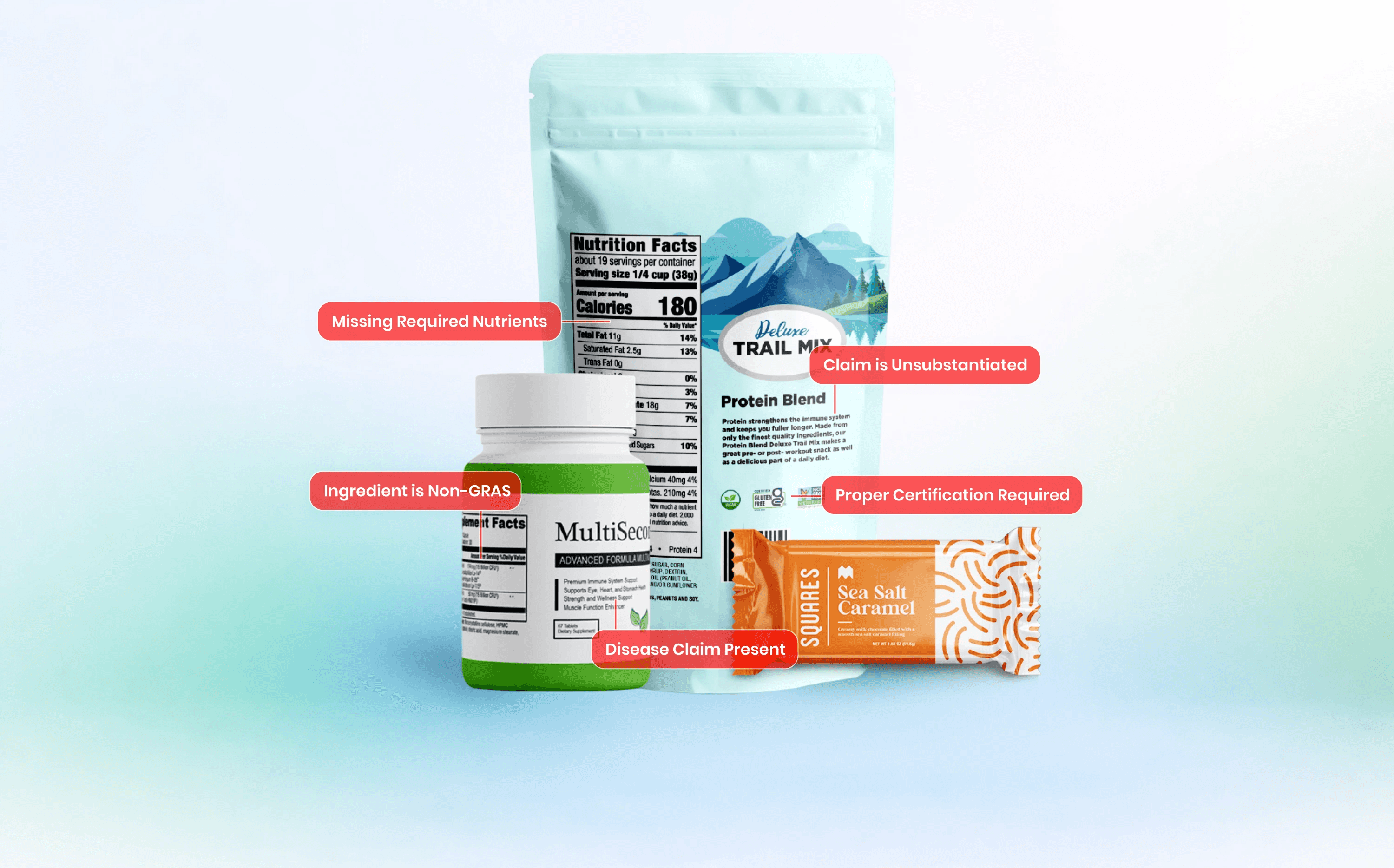
Disease claim detection: Truli scans label copy, website content, social media, and marketplace listings for language that crosses the structure/function / disease claim boundary
Product naming analysis: Truli flags product names that may imply disease treatment in their intended use context
Testimonial monitoring: Truli identifies customer testimonials and influencer posts the brand is amplifying that contain disease claims
Amazon listing review: Truli scans Amazon product detail pages, A+ content, and enhanced brand content for disease claim language that can trigger FDA or Amazon policy action
Related Regulations
DSHEA — The statutory framework establishing the supplement category and safety standards
FDA Structure/Function Claims for Supplements — How to stay within the permissible boundary
21 CFR 101.93 — Structure/Function Claim Disclaimer — Required disclaimer for structure/function claims
FTC Health Claims in Advertising — FTC's parallel enforcement against unsubstantiated health and disease claims in advertising
FDA NDI Notification — Pre-market notification requirements for new supplement ingredients
Frequently Asked Questions
Can I make a disease claim if I have clinical evidence supporting it?
No. Having clinical evidence substantiating a disease claim does not make the claim permissible for a dietary supplement — it may actually strengthen the case that the product is intended for use as a drug (drugs require clinical evidence). To make disease claims legally, you would need to pursue an NDA or ANDA with FDA. Evidence supports the claim's truthfulness; it does not convert a drug claim into a supplement claim.
A competitor is making disease claims and hasn't been warned by FDA. Can I do the same?
No. FDA's enforcement is not uniform — a competitor's unenforced violation does not authorize the same conduct. FDA may have the competitor's product in an enforcement queue, may be building a case, or may not have identified it yet. Relying on competitors' non-enforcement as guidance is not a compliance strategy.
If I delete a disease claim from my label, am I compliant?
Removing the claim from the label helps but may not be sufficient. If disease claim language still exists in your website, social media, advertising, or third-party reviews you amplify, FDA may still characterize the product based on the totality of circumstances. A full audit of all consumer-facing communications is necessary.
A note from Truli: Truli is not a law firm, and this article does not constitute or contain legal advice or create an attorney-client relationship. When determining your obligations and compliance with respect to relevant laws and regulations, you should consult a licensed attorney.
Last updated: April 2026. FDA warning letter patterns for disease claims on supplements are among the most active enforcement areas — Truli monitors FDA enforcement actions affecting supplement brands. Book a demo to see how.
About

Truli is an AI compliance platform for food, beverage, and supplement brands. Automate FDA/FTC label reviews, claims validation, and post-market monitoring — 10x faster.

Platform
See Truli in action
If regulatory delays are consuming months and thousands in fees, see how Truli delivers fast and continuous compliance coverage at a fraction of the cost.