21 CFR 101.60(c) — Sugar Content Claims on Food Labels
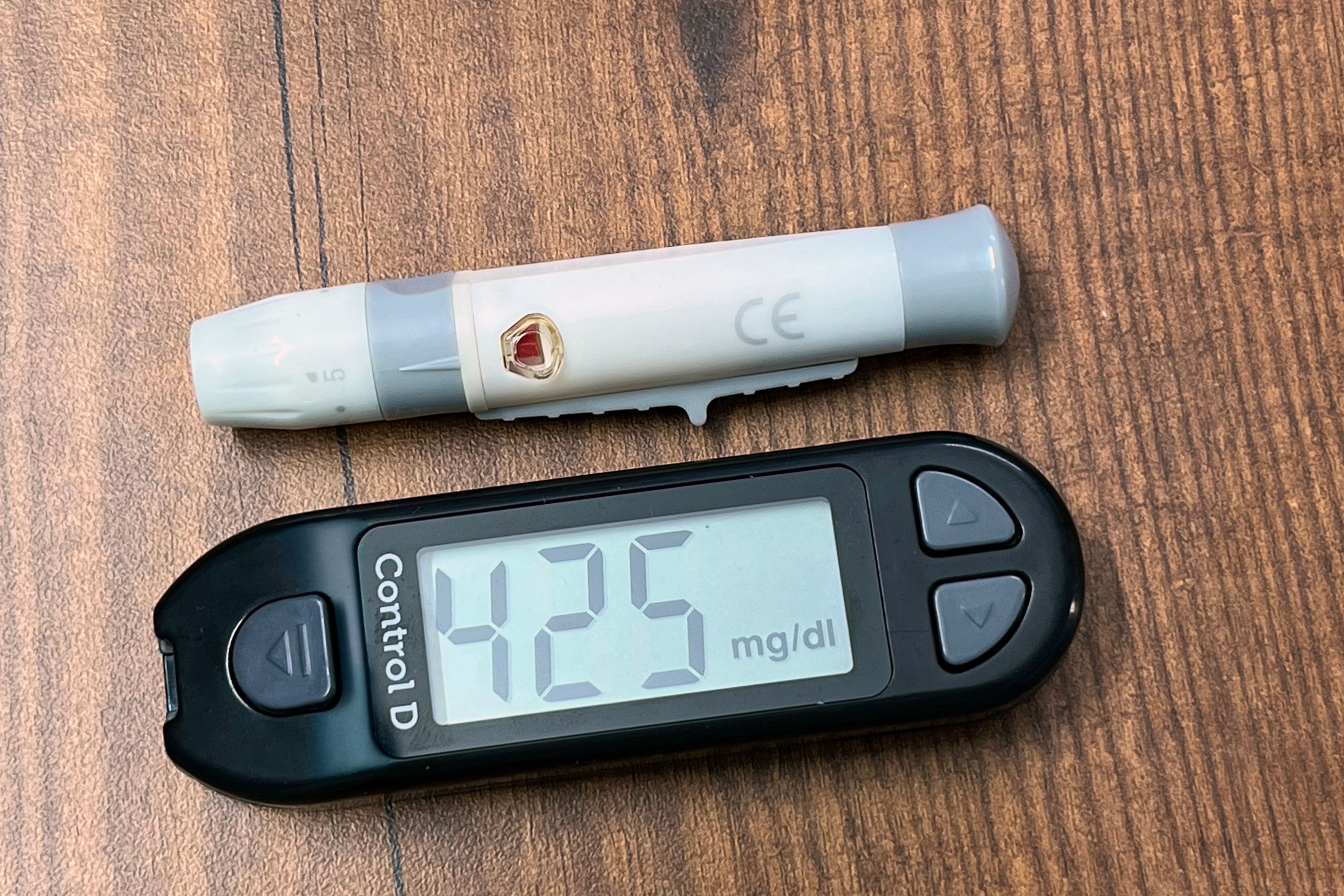
21 CFR 101.60(c) defines sugar content claims for food and dietary supplement labels — establishing what qualifies as 'sugar free,' 'no sugar added,' and related terms. These claims are among the most heavily used in food marketing and among the most frequently misunderstood: 'no sugar added' does not mean 'sugar free,' and products bearing 'sugar free' claims may still contain calories from other sources including sugar alcohols.

Catherine Zhou
| Co-founder at Truli
21 CFR 101.60(c) defines the conditions under which sugar content claims may appear on food and dietary supplement labels. Sugar content claims are a subsection of 21 CFR 101.60, which also covers calorie content claims at 101.60(b).
"Sugar Free" Claims
Under 21 CFR 101.60(c)(1), a food may be labeled "sugar free," "free of sugar," "no sugar," "zero sugar," "without sugar," "sugarless," "trivial source of sugar," "negligible source of sugar," or "dietarily insignificant source of sugar" only if all of the following are met:
The food contains less than 0.5 g of sugars per RACC and per labeled serving (or, for meal or main dish products, less than 0.5 g per labeled serving)
No sugar-containing ingredient is present unless its ingredient list entry is followed by an asterisk referring to a statement such as "adds a trivial amount of sugar" or "adds a negligible amount of sugar"
One of the following calorie conditions is met:
The food is labeled "low calorie" or "reduced calorie," or bears a relative claim of special dietary usefulness; or
The claim is accompanied each time it is used by "not a reduced calorie food," "not a low calorie food," or "not for weight control"
Required Disclosure for Sugar-Free Products That Are Not Low or Reduced Calorie
If a food qualifies for "sugar free" but does not also qualify as low calorie or reduced calorie, the label must state — each time the "sugar free" claim appears — one of the following:
"Not a reduced calorie food"
"Not a low calorie food"
"Not for weight control"
This disclosure exists because consumers commonly (but incorrectly) associate "sugar free" with "diet" or "calorie free." A sugar-free food sweetened with fat-based ingredients or significant amounts of sugar alcohols may still contain substantial calories.
Sugar Alcohols and "Sugar Free"
Products sweetened with sugar alcohols (erythritol, xylitol, sorbitol, maltitol, etc.) may qualify for "sugar free" claims because sugar alcohols are not counted as "sugars" — they appear separately on the Nutrition Facts panel under "Total Carbohydrates." However:
Sugar alcohols provide calories (roughly 2–3 kcal/g depending on the specific alcohol)
A sugar-free claim must still be accompanied by the required calorie disclosure if the product is not low calorie or reduced calorie
Products that replace sugar with sugar alcohols must declare "Sugars: 0 g" and "Sugar Alcohol: X g" on the Nutrition Facts panel
"No Sugar Added" Claims
Under 21 CFR 101.60(c)(2), "no added sugar," "without added sugar," or "no sugar added" may be used only when all of the following are met:
No sugars or substituting ingredients added: No amount of sugars, or any other ingredient that contains sugars and that functionally substitutes for added sugars, is added during processing or packaging
No ingredients containing added sugars: The product does not contain an ingredient containing added sugars such as jam, jelly, or concentrated fruit juice
No enzymatic sugar increase: The sugars content has not been increased above the amount present in the ingredients by means such as the use of enzymes (except where the intended functional effect of the process is not to increase sugars and any increase is functionally insignificant)
The food normally contains added sugars: The food that it resembles and for which it substitutes normally contains added sugars
Required calorie disclosure: The product bears a statement that the food is not "low calorie" or "calorie reduced" (unless it meets the requirements for a low or reduced calorie food), and that directs consumers' attention to the nutrition panel for further information on sugar and calorie content
"No Sugar Added" Is Not "Sugar Free"
This is a critical distinction:
A "no sugar added" product may still contain significant naturally occurring sugars — a 100% orange juice product with no added sugars will still contain approximately 21 g of naturally occurring fructose per serving
A "sugar free" product must contain less than 0.5 g total sugars per serving
A brand that labels a fruit-based product "no sugar added" must ensure consumers understand the product may still contain substantial natural sugars. The required calorie disclosure (requirement 5 above) addresses this.
"Reduced Sugar" and "Less Sugar" Claims
Relative sugar claims ("reduced sugar," "less sugar," "lower in sugar") are governed by the general relative claim requirements under 21 CFR 101.13(j), which require:
At least 25% less sugar per RACC than an appropriate reference food
Disclosure of the reference food and the percentage reduction
"Reduced sugar" cannot be claimed on foods that already qualify as "sugar free"
Summary of Sugar Claim Requirements
Claim | Threshold | Key Disclosure |
|---|---|---|
Sugar free | < 0.5 g total sugars per RACC and per serving | "Not a reduced calorie food," "not a low calorie food," or "not for weight control" — if not already low/reduced calorie |
No sugar added | No sugars or functionally equivalent ingredients added; food must normally contain added sugars | Statement that food is not low/reduced calorie + direct to nutrition panel — if not already low/reduced calorie |
Reduced sugar | ≥ 25% less sugar vs. reference food | Reference food + percentage reduction |
Added Sugars vs. Total Sugars
The 2016 Nutrition Facts panel update added a separate "Added Sugars" line under Total Sugars. Sugar claims under 21 CFR 101.60(c) are based on total sugars — the combined naturally occurring and added sugars. However:
"No sugar added" claims address whether sugars were added during processing (not total sugar content)
A product may make a "no sugar added" claim while having high total sugars from natural sources
The Added Sugars declaration on the Nutrition Facts panel must be 0 g (or as low as possible from incidental sources) for a "no sugar added" claim to be consistent
Application to Dietary Supplements
Sugar content claims on dietary supplements follow the same thresholds under 21 CFR 101.60(c). Supplement categories where these claims commonly appear:
Gummy vitamins: Many contain significant added sugars; "sugar free" versions must contain < 0.5 g total sugars per serving
Protein powders and meal replacements: Often bear "no sugar added" or "zero sugar" claims
Flavored supplement drinks: Sugar-free claims are common; required calorie disclosures are often omitted
How Truli Helps with Sugar Claim Compliance
Total sugar calculation: Truli verifies that "sugar free" labels reflect actual total sugar content below 0.5 g per serving, accounting for all sugar sources including naturally occurring sugars in ingredients
"No sugar added" ingredient audit: Truli reviews ingredient lists for functionally substituting sweetening agents (honey, agave, fruit concentrates, molasses, jam, jelly) that would disqualify a "no sugar added" claim
Required disclosure check: Truli verifies that "sugar free" and "no sugar added" products include the required calorie disclosures when the product is not low calorie or reduced calorie
Added sugars consistency: Truli cross-references "no sugar added" claims against the Nutrition Facts Added Sugars declaration to confirm consistency
Related Regulations
21 CFR 101.60 — Calorie Content Claims — Calorie claim thresholds (relevant for required sugar-free disclosures)
21 CFR 101.13 — Nutrient Content Claims — General principles for all nutrient content claims
21 CFR 101.9 — Nutrition Facts Panel — Total sugars and added sugars declarations
Frequently Asked Questions
We use stevia instead of sugar. Can we say "no sugar added"?
Yes — stevia (steviol glycosides) is a non-caloric sweetener, not a sugar, and does not functionally substitute for added sugars in the regulatory sense (it is not a sugar-containing ingredient). Using stevia instead of sugar does not involve "adding sugar" and does not disqualify a "no sugar added" claim, provided no other sugars or sugar-containing ingredients are added. However, you cannot use "unsweetened" because stevia is a sweetener, and the food must normally contain added sugars in its standard form.
Our protein bar says "0g sugar" but has 8g sugar alcohols. Is "sugar free" accurate?
Technically yes, if total sugars (not including sugar alcohols) are below 0.5 g per serving. Sugar alcohols are classified separately from "sugars" on the Nutrition Facts panel. However, you must include the required calorie disclosure ("not a reduced calorie food" or equivalent) since the product is not calorie-free — sugar alcohols provide approximately 2–3 kcal/g. Many brands that make "zero sugar" or "sugar free" claims on products with significant sugar alcohols omit this required disclosure, which is a misbranding violation.
Our 100% fruit juice has no added sugars. Can we say "no sugar added"?
Only if the standard form of the product normally contains added sugars — which 100% juice does not. The requirement that "the food that it resembles and for which it substitutes normally contains added sugars" means "no sugar added" claims are designed for products where adding sugar is standard practice (e.g., flavored yogurt, cereal, jam). A 100% juice product would not qualify because 100% juice by definition does not contain added sugars in its standard form.
A note from Truli: Truli is not a law firm, and this article does not constitute or contain legal advice or create an attorney-client relationship. When determining your obligations and compliance with respect to relevant laws and regulations, you should consult a licensed attorney.
Last updated: April 2026. Reflects 21 CFR 101.60(c) as of April 2026. Book a demo to see how Truli monitors food label compliance.
About

Truli is an AI compliance platform for food, beverage, and supplement brands. Automate FDA/FTC label reviews, claims validation, and post-market monitoring — 10x faster.
Platform
See Truli in action
If regulatory delays are consuming months and thousands in fees, see how Truli delivers fast and continuous compliance coverage at a fraction of the cost.