21 CFR 101.36 — Supplement Facts Panel Requirements for Dietary Supplements
21 CFR 101.36 specifies every element required in the Supplement Facts panel on dietary supplement labels — including serving size, (b)(2)-dietary ingredients (those with established RDIs or DRVs), and other dietary ingredients (botanicals, amino acids, and other supplement-specific components without established daily values). Getting the Supplement Facts panel right is foundational: a non-compliant panel can make a product misbranded under 21 U.S.C. 343.

Catherine Zhou
| Co-founder at Truli
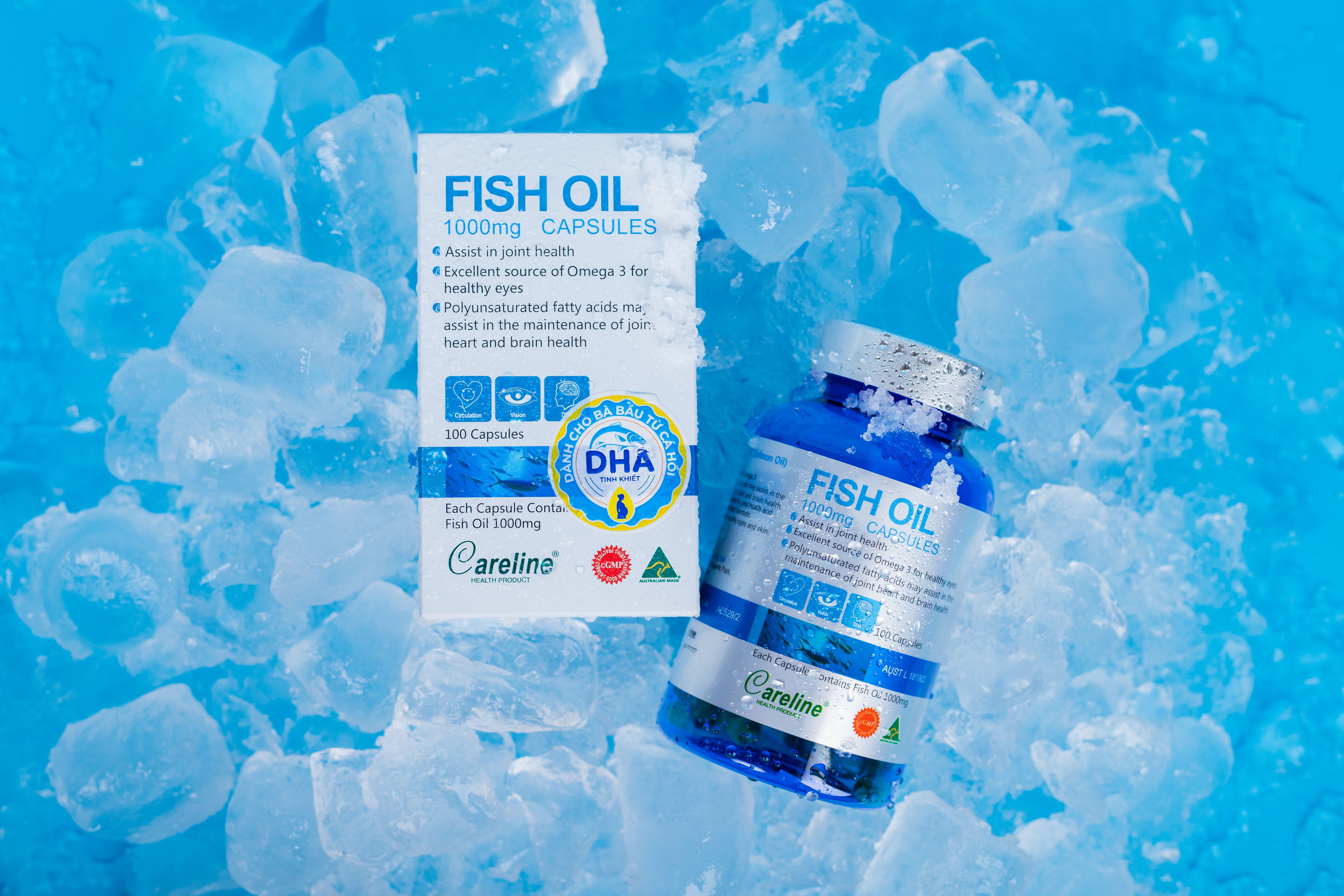
21 CFR 101.36 governs the content and format of the Supplement Facts panel, which is required on virtually all dietary supplement labels sold in the United States. The Supplement Facts panel is distinct from the Nutrition Facts panel (21 CFR 101.9) required for conventional foods — though they share many structural similarities.
A dietary supplement without a compliant Supplement Facts panel is misbranded under 21 U.S.C. 343 and subject to FDA enforcement action.
The Supplement Facts Heading
Under 21 CFR 101.36(e), the panel must be introduced by the heading "Supplement Facts" — not "Nutrition Facts." This heading must appear in a type size larger than any other print in the nutrition label. The distinction in heading is what distinguishes a dietary supplement label from a conventional food label.
Serving Size
Under 21 CFR 101.36(b)(1):
The subheading "Serving Size" must appear directly under the "Supplement Facts" heading, left-aligned
The serving size must be expressed in a term appropriate for the form of the supplement: tablets, capsules, packets, teaspoonfuls, etc.
The subheading "Servings Per Container" must appear under "Serving Size," unless this information is already provided in the net quantity of contents declaration
Unlike conventional food, where serving size must align with the FDA's Reference Amounts Customarily Consumed (RACC) for a food category, supplement serving sizes are typically set by the manufacturer based on the intended dosage — though they must still accurately represent a typical use amount.
(b)(2)-Dietary Ingredients — Nutrients with Established Daily Values
Under 21 CFR 101.36(b)(2), dietary ingredients that have an established Reference Daily Intake (RDI) or Daily Reference Value (DRV) — referred to as (b)(2)-dietary ingredients — must be declared if present in the supplement. These are the same nutrients that appear in the Nutrition Facts panel:
Total Calories
Total Fat, Saturated Fat, Trans Fat
Cholesterol
Sodium
Total Carbohydrate, Dietary Fiber, Total Sugars, Added Sugars
Protein
Vitamin D, Calcium, Iron, Potassium
Other vitamins and minerals with established RDIs
These must be declared with:
The name of the ingredient
The quantity per serving
The percent of the Daily Value (% DV), if an RDI or DRV has been established
If a (b)(2)-dietary ingredient is present at an insignificant amount (less than 2% of the DV), it may be declared as "0" or omitted with a footnote.
(b)(3)-Dietary Ingredients — Supplement-Specific Ingredients
Under 21 CFR 101.36(b)(3), other dietary ingredients — those without an established RDI or DRV — must be declared if they are present in the supplement and are intended to have a nutritional or functional effect. These include:
Botanical and herbal ingredients (e.g., ashwagandha, turmeric, elderberry)
Amino acids (e.g., L-glutamine, BCAAs)
Enzymes (e.g., bromelain, papain)
Organ tissues
Glandulars
Other dietary ingredients without an established DV
These (b)(3)-dietary ingredients must be:
Declared by name (common or usual name, or the standardized botanical name for herbs)
Declared with the quantity per serving (weight, measure, or a combination)
Listed after (b)(2)-dietary ingredients, separated by a bar
Not required to declare a % Daily Value (because none has been established)
Proprietary Blends
If multiple (b)(3)-dietary ingredients are combined in a proprietary blend, they may be declared collectively under a single blend name. Requirements:
The blend name must be followed by the total weight of the blend per serving
Each ingredient within the blend must be listed individually in descending order of predominance by weight
Individual ingredient amounts within a proprietary blend do not need to be declared separately
For example:
"Proprietary Herbal Blend 500 mg: Ashwagandha Root Extract, Rhodiola Rosea Extract, Eleuthero Root..."
FDA does not require disclosure of individual ingredient amounts within a proprietary blend, though FTC has raised concerns about proprietary blend claims where substantiation of individual ingredient amounts is needed.
Botanical Source Information
Under 21 CFR 101.36(b)(3), for botanical ingredients, the label should identify:
The part of the plant (e.g., root, leaf, berry, stem)
The standardized name of the plant
The form of the ingredient (e.g., extract, powder, dried)
Example: "Turmeric (Curcuma longa) Root Extract (standardized to 95% curcuminoids)"
Format Requirements for the Supplement Facts Panel
Under 21 CFR 101.36(e), the Supplement Facts panel must follow specific formatting rules:
All information in a box set off by hairlines
Black or one-color type on a white or neutral contrasting background
Type size must be at least 6 point for most information; the heading "Supplement Facts" must be the largest type in the label
"Serving Size" and "Amount Per Serving" must be bold
A bar must separate (b)(2)-dietary ingredients from (b)(3)-dietary ingredients
Exemptions from Supplement Facts Labeling
Under 21 CFR 101.36(h), the following are exempt from Supplement Facts labeling requirements:
Products sold to institutional buyers (e.g., hospitals, prisons) — not sold to end consumers
Products with very small packages — may provide a phone number or address for labeling information instead, if less than 12 square inches of available label space
Infant formula — governed by separate regulations
Common Supplement Facts Violations
FDA warning letters for supplement labeling frequently cite:
Missing (b)(2)-dietary ingredients — failing to declare nutrients with established RDIs that are present in the supplement
Incorrect % Daily Value — using outdated DV reference values rather than current values (updated in 2016)
Proprietary blend compliance issues — not listing individual ingredients within a blend in order of predominance by weight
Missing botanical part identification — listing "turmeric extract" without identifying the plant part
"Supplement Facts" heading format violations — heading in wrong size, wrong font weight, or not clearly delineated from surrounding text
Missing FDA structure/function disclaimer — if structure/function claims appear on the label, the disclaimer must be adjacent to the claim
How Truli Helps with Supplement Facts Compliance
Panel completeness check: Truli verifies that all required elements are present — serving size, servings per container, (b)(2) and (b)(3) dietary ingredients
% Daily Value accuracy: Truli checks % DV calculations against current RDIs and DRVs
Proprietary blend formatting: Truli verifies that proprietary blend declarations include required total weight and ingredient ordering
Botanical source identification: Truli flags botanical ingredients missing required plant part or standardized name information
Related Regulations
21 CFR Part 101 — Overview of FDA food and supplement labeling requirements
21 CFR 101.9 — Nutrition Facts Panel — Parallel requirements for conventional food products
21 CFR 101.93 — Structure/Function Claim Disclaimer — Disclaimer requirements for structure/function claims adjacent to the Supplement Facts panel
DSHEA — The statutory framework under which 21 CFR 101.36 was developed
Frequently Asked Questions
Does my supplement need a Supplement Facts panel if it's in powder form?
Yes. All dietary supplements — regardless of form (capsules, tablets, softgels, powders, liquids, gummies) — must bear a Supplement Facts panel under 21 CFR 101.36, subject to limited exemptions.
Can I declare a proprietary blend without listing individual ingredient amounts?
Yes. A proprietary blend declaration requires only the blend name, total blend weight, and a list of ingredients in descending order of predominance. Individual ingredient amounts within the blend are not required to be disclosed. However, if your label or advertising makes efficacy claims about individual ingredients, you should have substantiation that the blend contains effective amounts of those ingredients.
Do I need to list the herb's Latin (scientific) name on the Supplement Facts panel?
FDA regulations require that ingredients be declared using their common or usual name. The Latin name is not technically mandatory in the Supplement Facts panel, though it is strongly recommended as a best practice for botanical ingredients, and it is required in certain contexts to distinguish ingredients that share a common name.
A note from Truli: Truli is not a law firm, and this article does not constitute or contain legal advice or create an attorney-client relationship. When determining your obligations and compliance with respect to relevant laws and regulations, you should consult a licensed attorney.
Last updated: April 2026. Reflects 21 CFR 101.36 as of April 2026. Truli monitors FDA guidance on Supplement Facts label requirements. Book a demo to see how.
About

Truli is an AI compliance platform for food, beverage, and supplement brands. Automate FDA/FTC label reviews, claims validation, and post-market monitoring — 10x faster.

Platform
See Truli in action
If regulatory delays are consuming months and thousands in fees, see how Truli delivers fast and continuous compliance coverage at a fraction of the cost.